


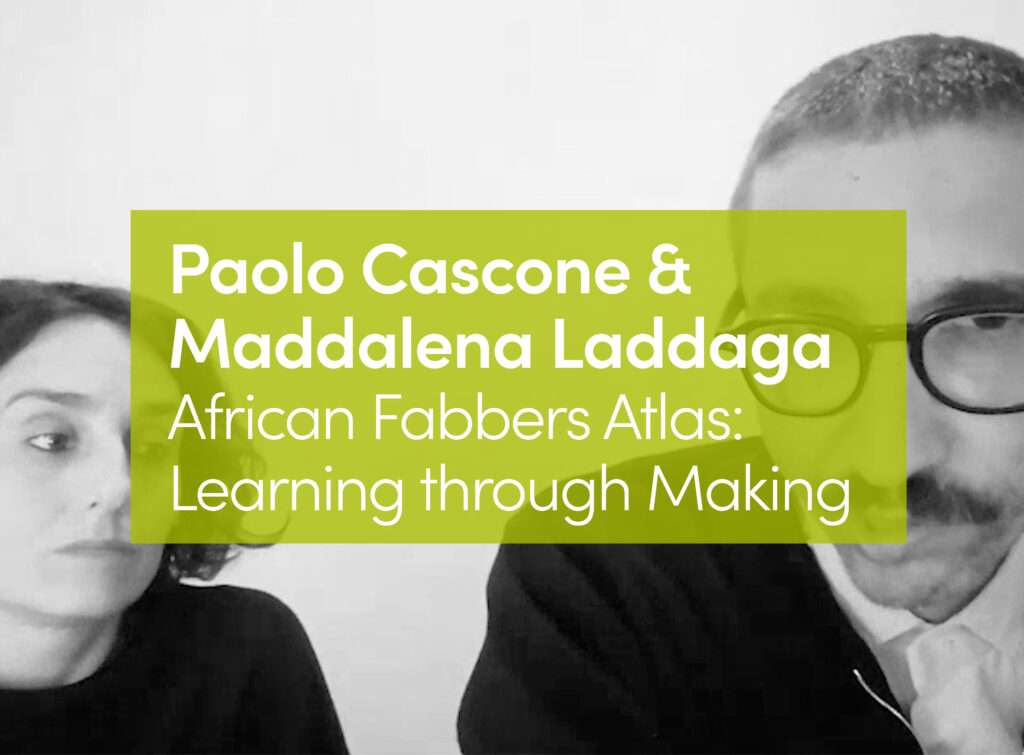
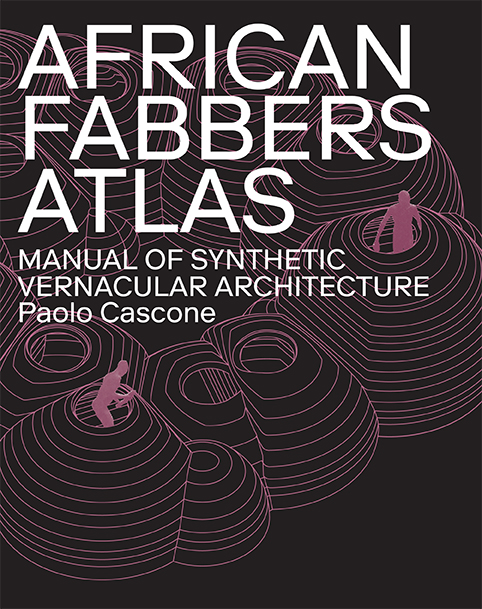
In this conversation, architect, researcher, and educator Paolo Cascone, and contributor Maddalena Laddaga reflects on the ideas and practices developed in his book African Fabbers Atlas: Manual of Synthetic Vernacular Architecture (Actar Publishers, 2025). Drawing from years of work with CODESIGNLAB and the African Fabbers School, they reflect on the African Fabbers School as an independent pedagogical and production model grounded in ecological design, fabrication, and situated learning. At the center of this approach is the figure of the fabber: a hybrid practitioner shaped not only by digital tools, but by direct engagement with materials, labor, logistics, and the real constraints of building in extreme conditions.
The discussion focuses on how learning through making can reshape architectural education by reconnecting design to construction, local resources, and collective organization. More than a technical profile, the fabber becomes a social and economic agent—someone able to develop methodologies, support local transformation, and open new forms of agency beyond conventional architectural offices, academic models, or centralized infrastructures.