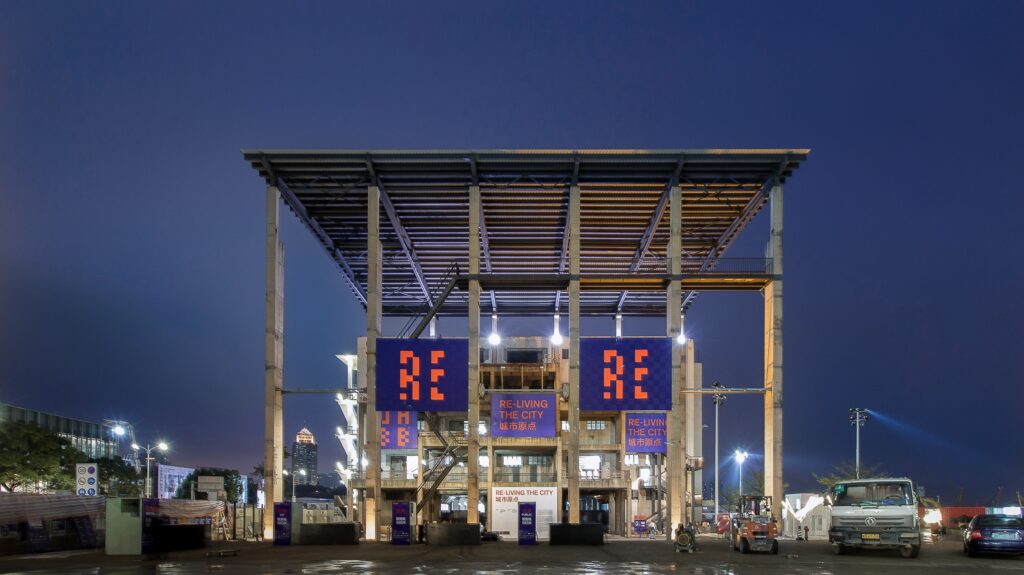



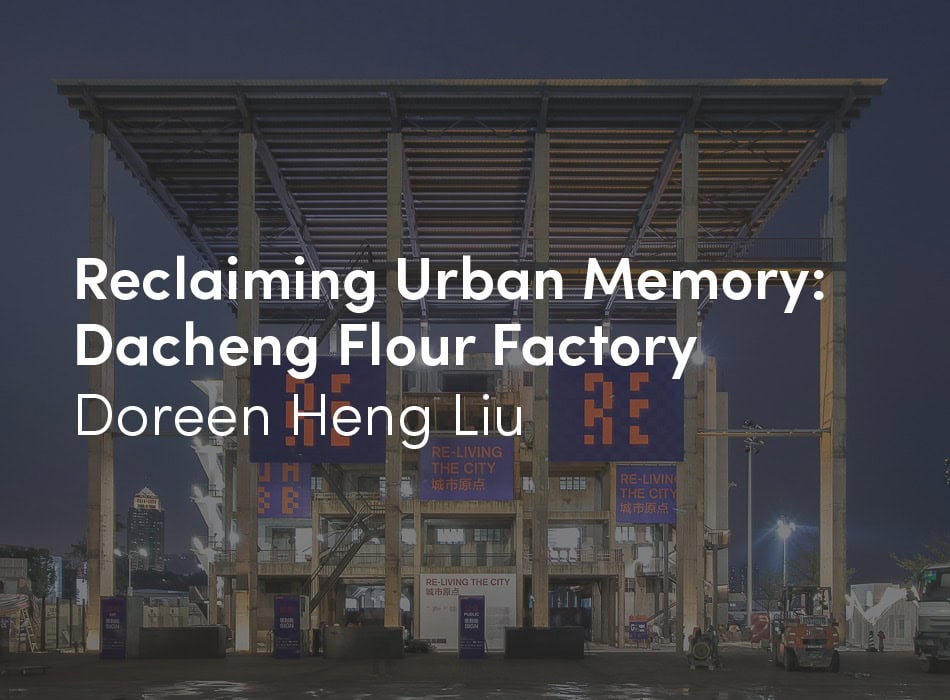
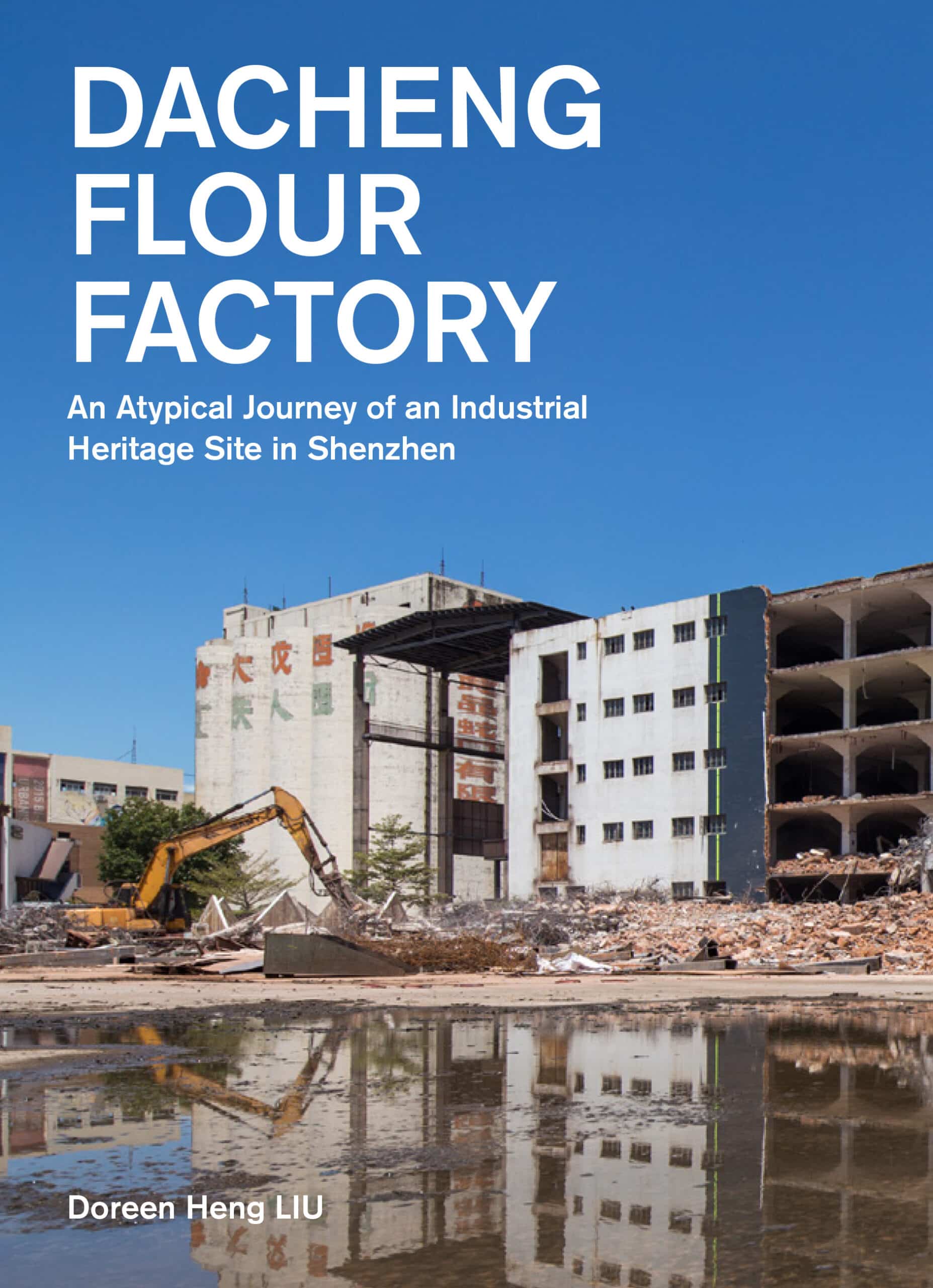
Liu explains that the factory’s conversion diverged from typical industrial heritage projects in China. Instead of beginning with ownership and development plans, it emerged as a temporary curatorial testbed, a three-month public event exploring architectural and social alternatives for the site. The hope was that, if successful, this temporary experiment would evolve into a permanent cultural hub, bridging the gap between architectural heritage and the realities of contemporary urban life.
However, the process revealed a more complex narrative. After the Biennale’s closure, government plans to preserve the site as a permanent venue succumbed to market pressures. Most of the structures were demolished, leaving only the silo and parts of the mill intact. As Liu describes, “it became a battle between cultural values and capital,” where the city’s real estate market ultimately outweighed civic and cultural intentions.
Architecturally, the project sought to learn from the factory’s existing spatial logic. Its varied forms, derived from industrial production processes, became a source of inspiration for new programs and public uses. Liu’s studio, NODE, opened the ground floor to dissolve boundaries between factory and city, transforming enclosed industrial space into a shared urban commons. This approach reflected her belief that urbanism is rooted in collective experience where architecture enables participation rather than imposes order.
Despite the eventual demolition, the Dacheng Flour Factory Biennale proved a profound public success, attracting over 250,000 visitors in three months. For Liu, this “temporary urbanism” demonstrated architecture’s ability to catalyze civic energy and foster community engagement, even within fleeting timeframes.
Ultimately, Liu’s reflection on the Dacheng Flour Factory exposes broader questions facing China’s cities: how to reconcile rapid urbanization, regulatory demands, and the preservation of collective memory. She calls for continued documentation and reflection on “post-biennale sites”, the afterlives of these experiments, their lessons, and their unrealized potential. In doing so, Liu invites architects and planners alike to rethink what it means to build cultural continuity amid relentless transformation.
Key Takeaways
- The Dacheng Flour Factory served as an experimental model for temporary-to-permanent urban regeneration in Shenzhen.
- The project revealed structural tensions between cultural heritage and market-driven development.
- NODE’s design emphasized public openness and spatial diversity as key qualities of urban renewal.
- Despite demolition, the Biennale proved architecture’s power to generate civic participation.
- Liu urges documenting “post-biennale sites” to learn from the aftereffects of urban experiments.