


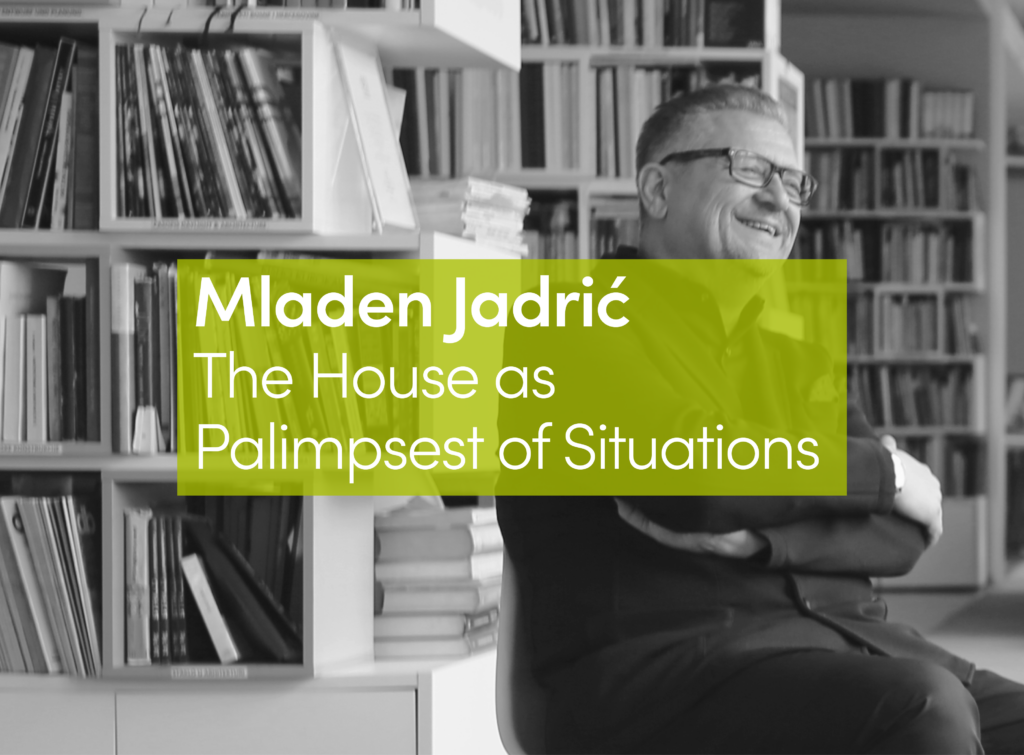
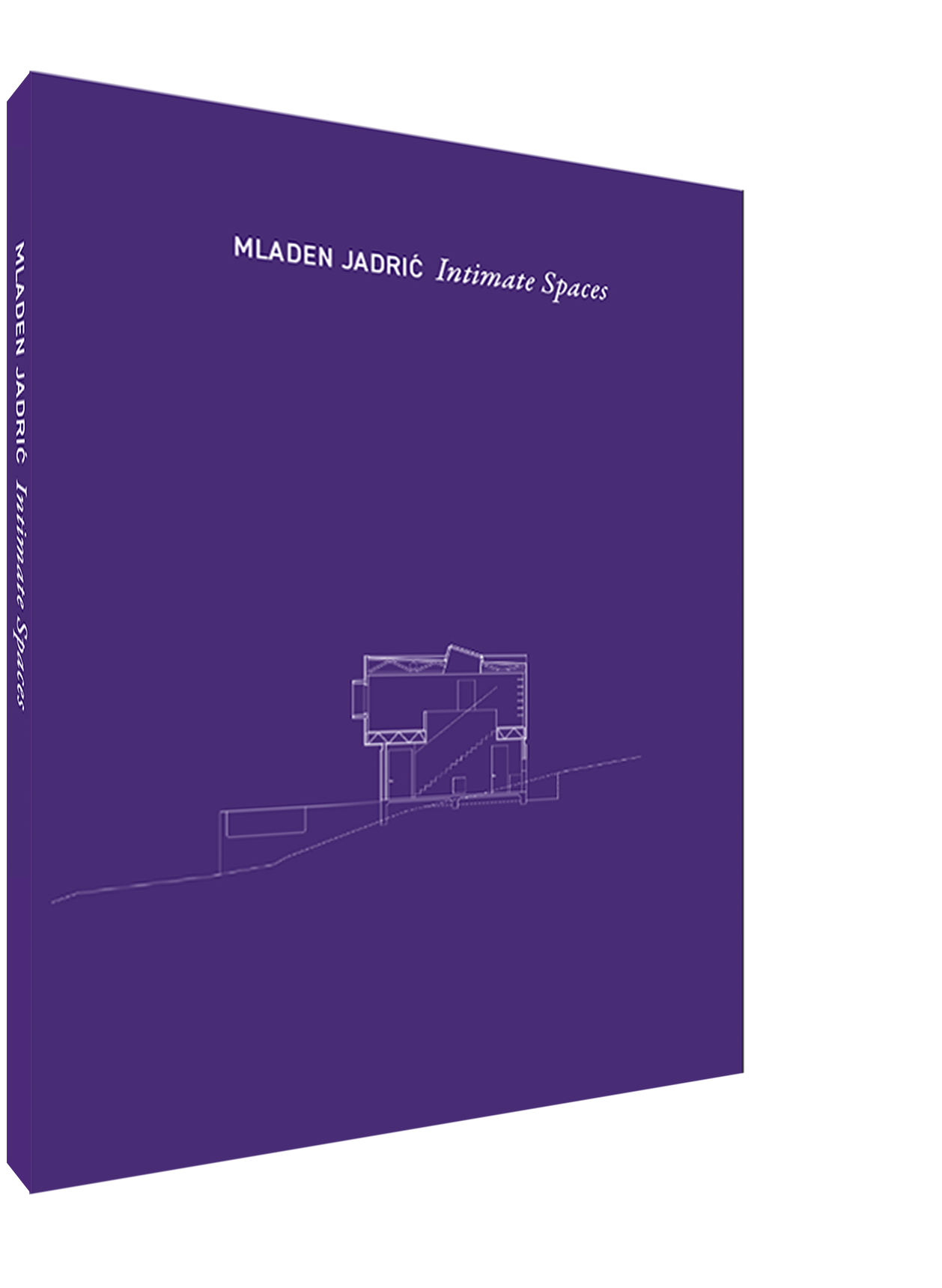
This conversation with Mladen Jadrić explores how layered spatial “situations” accumulate in architecture without erasing previous traces of lived experience.
The reflection frames each house as a palimpsest–an accumulation of overlapping situations written into space over time. Rather than designing static forms or binary conditions, the approach is rooted in staging spatial narratives, akin to theatrical direction, where architecture becomes a sequence of lived atmospheres rather than a single resolved composition.
A key reference is Architecture Without Architects, which reveals the richness of vernacular environments as open systems of spatial invention. This expands the idea of architecture beyond authorship, suggesting a field of latent possibilities drawn from non-formalized building traditions. Similarly, a vernacular housing model from northern Afghanistan is described, where inhabitants move through a sequence of sixteen rooms throughout the day, adjusting to light, temperature, and atmosphere. This cyclical occupation transforms the house into a temporal organism rather than a fixed object.
In this framework, continuity and transformation are not opposites but coexisting conditions. The example of the Grille Reitschnauer project—where a pentagonal extension reorganizes the garden into multiple micro-landscapes–illustrates how additive interventions can generate new spatial logics while preserving layered histories. The house becomes a constellation of “situations” that extend into gardens, verandas, terraces, and loggias, dissolving strict boundaries between interior and exterior.
Ultimately, this approach seeks to construct a “small universe” of domestic experiences. By layering time, use, and perception, architecture becomes a continuous field of adaptation where intimacy is not a singular condition but an evolving sequence of spatial encounters.
Key Takeaways:
- Houses understood as layered palimpsests of spatial situations
- Vernacular traditions inspire dynamic, non-static domestic structures
- Sequential room use creates temporal and atmospheric architecture
- Additive design preserves continuity while introducing transformation
- Domestic space becomes a small universe of evolving experiences