


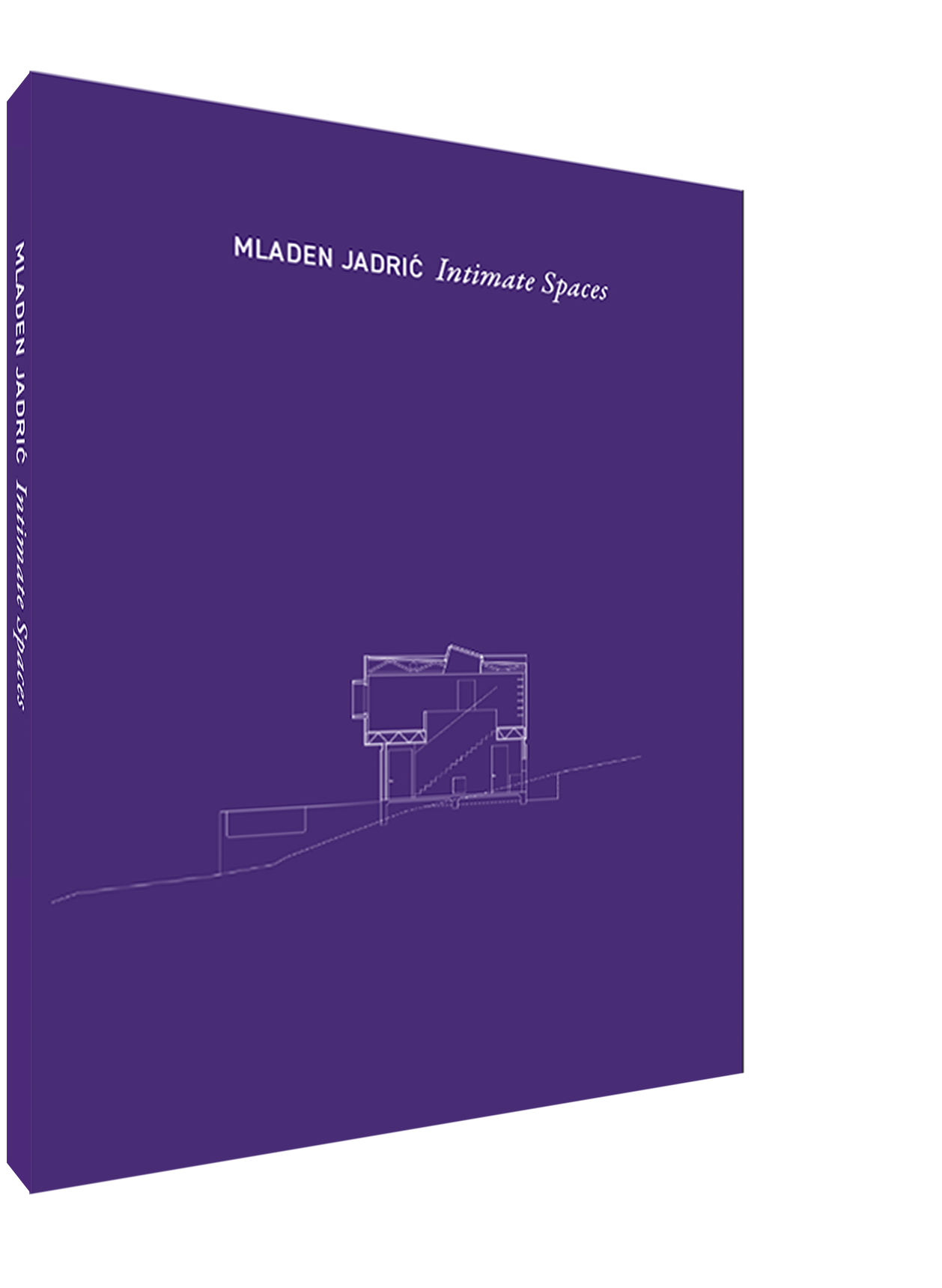
In this conversation, Mladen Jadrić author of Intimate Spaces, centers on the idea of the house as a Möglichkeitshaus–a House of Possibilities where emptiness is not absence but an active field for human occupation, adaptation, and transformation. Drawing on experiences in East Asia, particularly in China, Japan, and South Korea, Mladen Jadrić references the Korean courtyard as an example of spatial openness: a void capable of hosting diverse forms of life, from family gatherings to moments of environmental engagement.
This approach is grounded in a deliberate reduction of architectural authorship. The architect’s role is described as one of “minimum impact,” where design provides a framework that must eventually be relinquished. Over time, spaces evolve independently of their maker, much like a child leaving home, emphasizing architecture as an open-ended process rather than a fixed composition.
The reflection situates the family house as a historically significant architectural model, even as its contemporary form shifts under the pressures of urbanization, hybrid domestic-work lifestyles, and expanding cities. Rather than proposing a universal model, the house becomes a critical lens through which broader societal and spatial transformations can be examined.
The COVID-19 pandemic further sharpens this awareness, revealing the necessity of reconnecting domestic space with nature. It challenges earlier assumptions of human dominance over the environment and reinforces the need for continuous coexistence. In this sense, the elastic house is not only spatially adaptable but also ecologically attuned, embedding adaptability as a lived, ongoing condition rather than a formal stylistic device.
Key Takeaways:
- House conceived as a flexible “House of Possibilities” (Möglichkeitshaus)
- Architectural authorship reduced to enable user-driven transformation
- Korean courtyard models inspire open, adaptable spatial systems
- Family house remains a key lens for understanding architectural history
- Pandemic reinforced need for coexistence between domestic space and nature