


José Aragüez rethinks architectural form as the spatial organization of activities, breaking the traditional divide between ‘form’ and ‘program’.
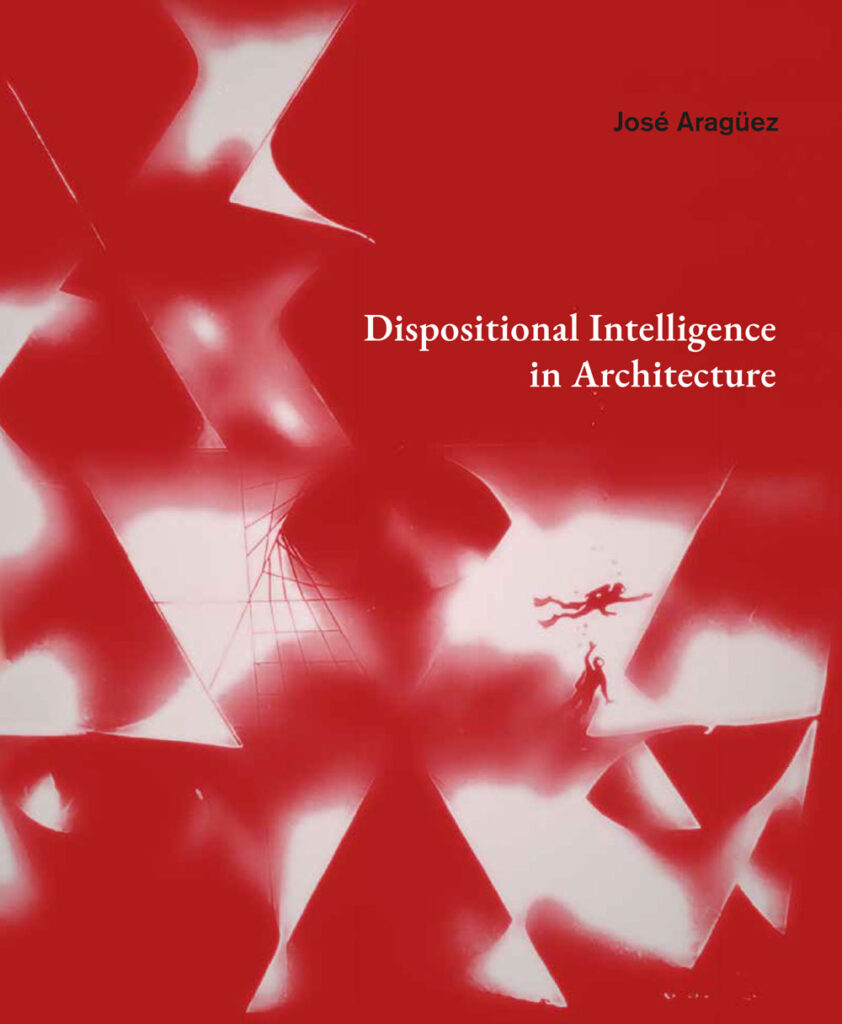
In this conversation, José Aragüez discusses Dispositional Intelligence in Architecture and its proposition that architectural form should be understood, not through visual appearance, mass, or image, but through its potential to organize human activities in space. He explains how ‘dispositional intelligence’ shifts attention toward the sophistication of spatial organization, positioning it between the traditional architectural categories of form and programmatic content. From this perspective, the distinction between ‘autonomy’ and ‘engagement’ begins to collapse, with ‘form’ and ‘formation’ constituting an indissoluble critical pairing. Aragüez also considers the role of representation, arguing for a focus on what exists before it can be represented.
Key Takeaways
- Architectural form can describe potential rather than appearance, image, or volumetric outline.
- ‘Dispositional intelligence’ concerns the sophistication of how activities can be organized in space.
- ‘Spatial organization’ sits between architectural form and programmatic content.
- ‘Form’ and ‘formation’ can be understood as inseparable aspects of architectural practice.
- Representation begins with something that already exists; dispositional intelligence looks at that which comes into being before representation.