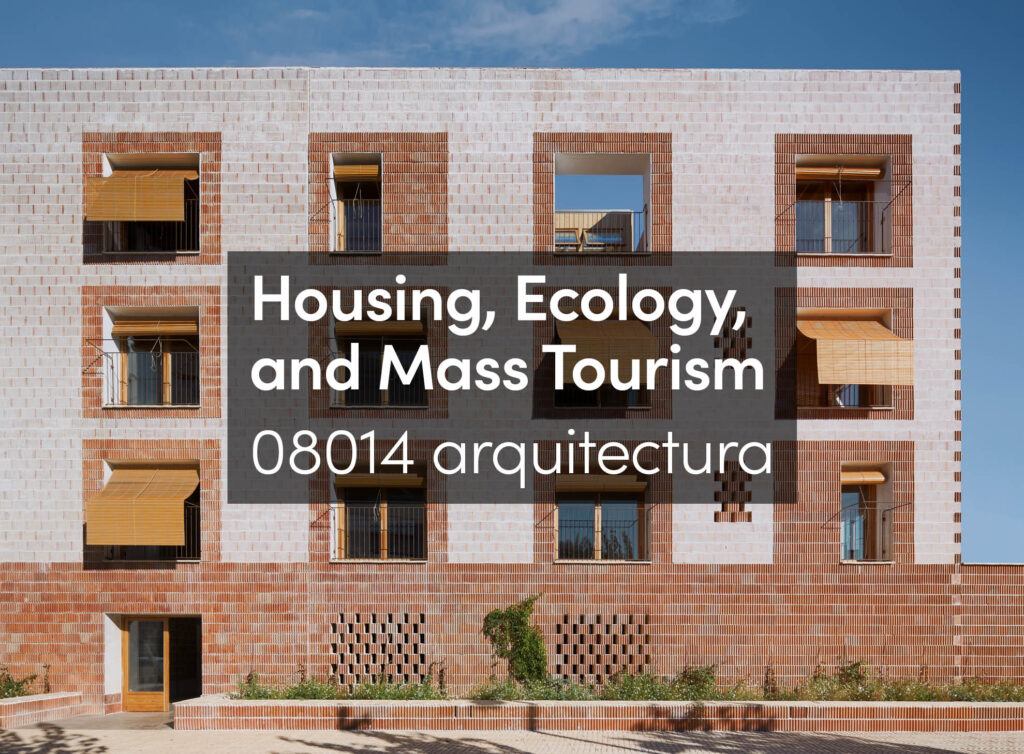



What if domestic privacy were a market-driven ideal, shaped by architectural gestures that transformed housing into an exclusive commodity?
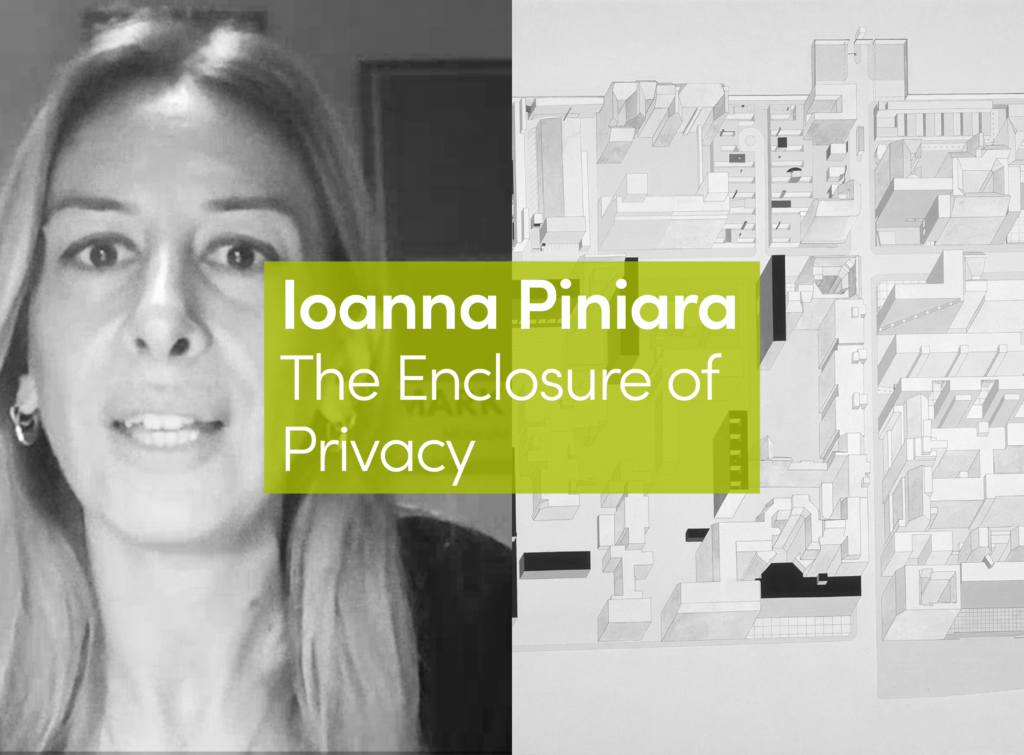
In this conversation, Ioanna Piniara explores how architectural typology reveals the relationship between spatial organization and the social production of privacy under neoliberalism.
Drawing on Aldo Rossi and Alan Colquhoun, she examines how inherited architectural forms and symbolic codes are reconfigured by market-oriented principles. Across the Barbican, the IBA in Berlin, and One Athens, Piniara identifies the enclosure as a recurring architectural gesture: separating private from public space while turning privacy into an exclusive experience.
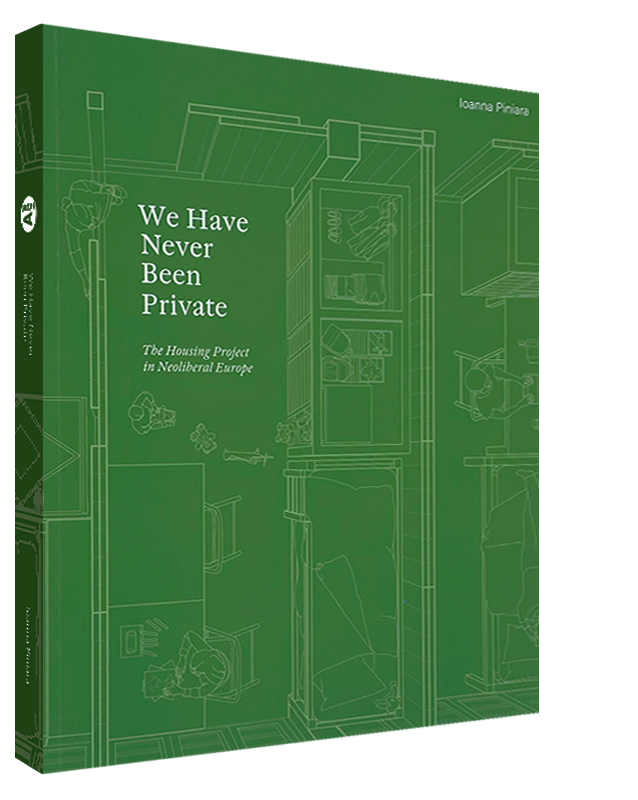
From the walled garden suburb to the privatized urban block and the individualized residence, these transformations reveal how housing becomes a “projected space” and how domestic life itself is reorganized in service of market ideology.
Key Takeaways
- Enclosure becomes a recurring architectural device for producing and communicating privacy.
- Typology reveals how inherited forms are reshaped by neoliberal market principles.
- The Barbican transforms the precinct into an exclusive, inward-looking urban enclosure.
- The IBA privatizes the urban block’s interior through reconstructed perimeter continuity.
- Housing becomes a projected space, turning privacy into an aspirational commodity.