



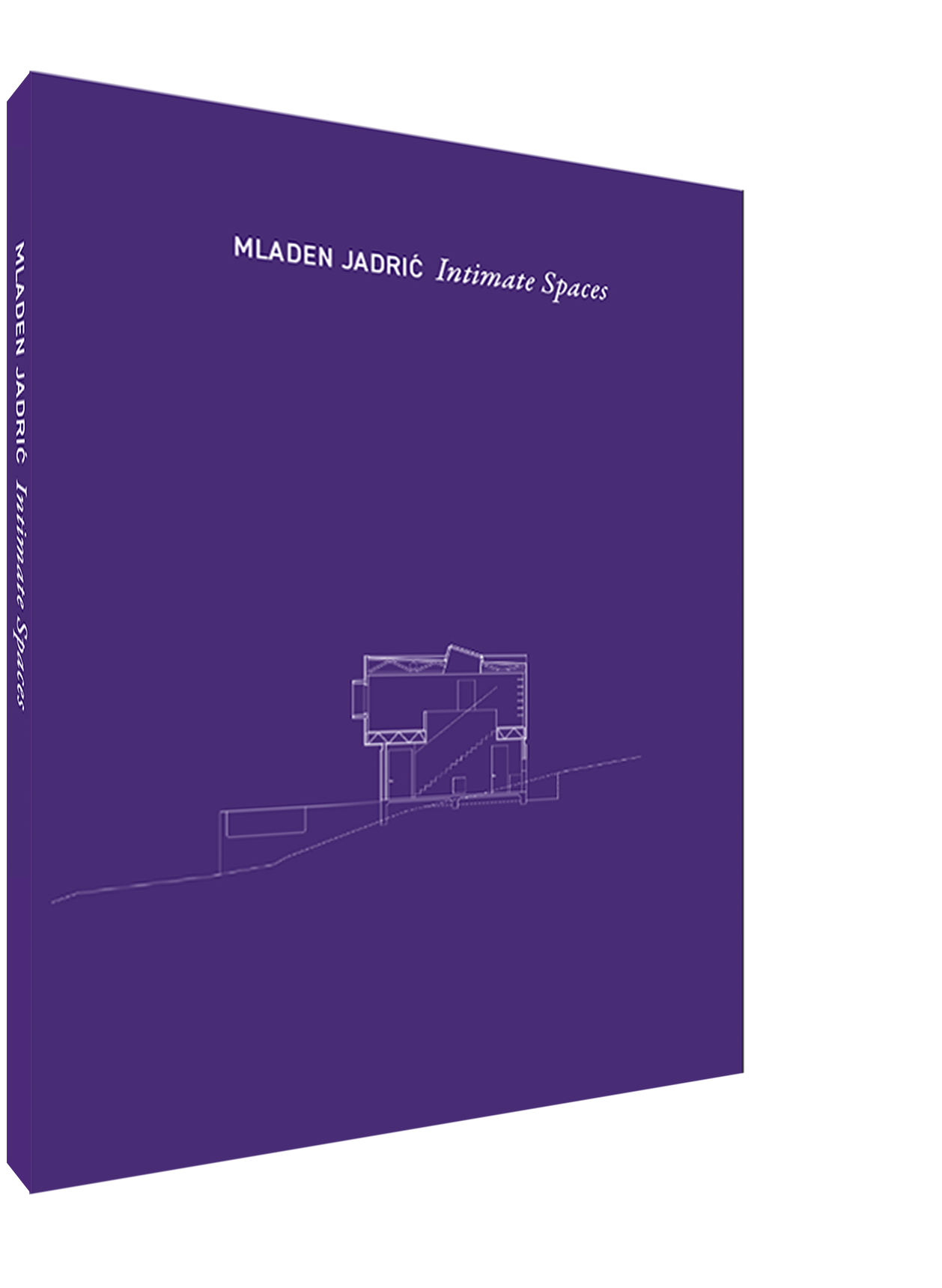
This conversation with Mladen Jadrić positions craftsmanship as a foundational layer of architectural thinking in contrast to increasingly digital and fast-paced modes of production.
Drawing on Notre-Dame de Paris, Mladen Jadrić recalls the idea of architecture as a “written book in stone,” suggesting that built form once carried narrative and cultural memory in a way that was later displaced by textual representation and abstraction.
This loss is countered by a renewed emphasis on haptic experience and sensory engagement, influenced by The Eyes of the Skin by Pallasmaa, which frames touch as a primary mode of perceiving and understanding space. Architecture, in this view, is not only visual but deeply corporeal—shaped by textures, temperatures, and material resistance that inform emotional and cognitive responses.
Materials such as wood, stone, and leather are described as active mediators of experience, capable of slowing perception and reorienting attention toward the physical reality of space. Craft becomes a way of sustaining this attentiveness, embedding care, precision, and ecological awareness into constructive detail.
The reflection also extends into questions of proportion and equilibrium between building and site, where design decisions are guided less by fixed rules than by situational balance. The key question shifts from “how to build” to “how much is appropriate,” linking craftsmanship to restraint, responsibility, and spatial ethics.
Key Takeaways:
- Craft reconnects architecture with sensory and bodily experience
- Built form understood as narrative rather than purely functional object
- Material tactility fosters slower, more attentive spatial perception
- Proportion emerges from site-specific balance, not fixed rules
- Architectural restraint becomes an ethical and ecological practice