


“Silence, I discover, is something you can actually hear.” — Haruki Murakami
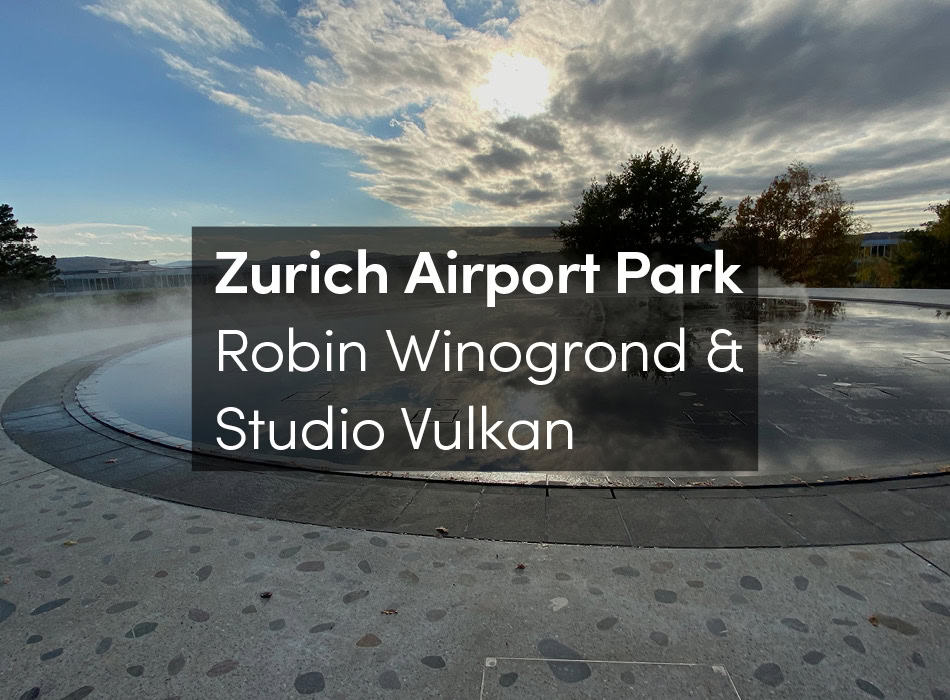
What role does landscape play in creating a sense of tranquility? This project examines tranquility as a collage of three intertwined factors: landscape, sound, and people. Landscape architect Robin Winogrond explored these elements for the Swiss Federal Department of the Environment through a series of field-research walks.
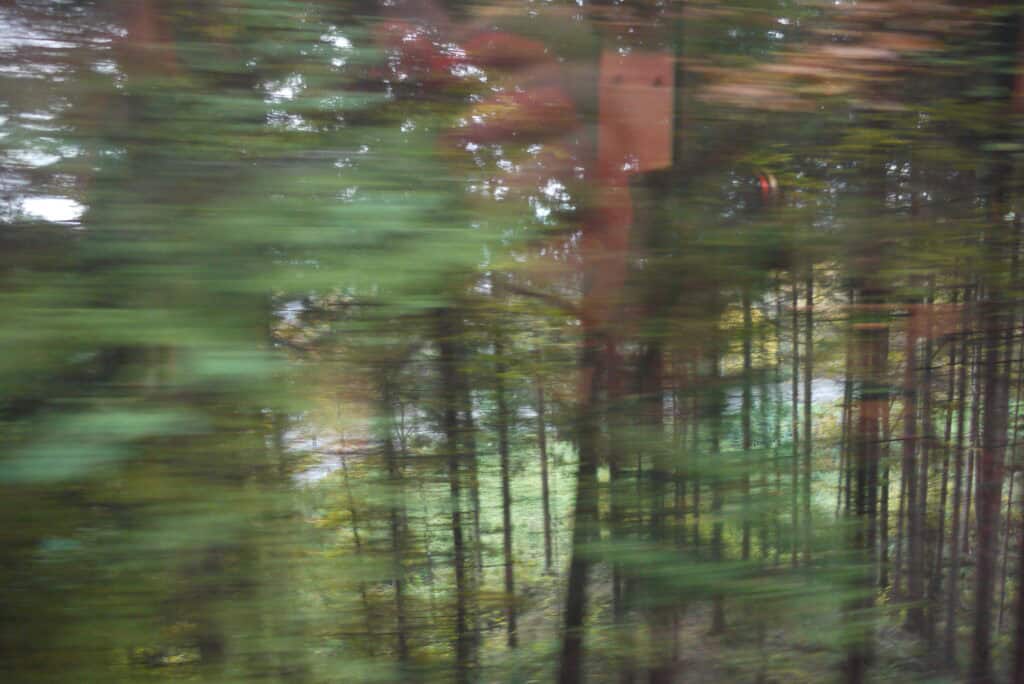
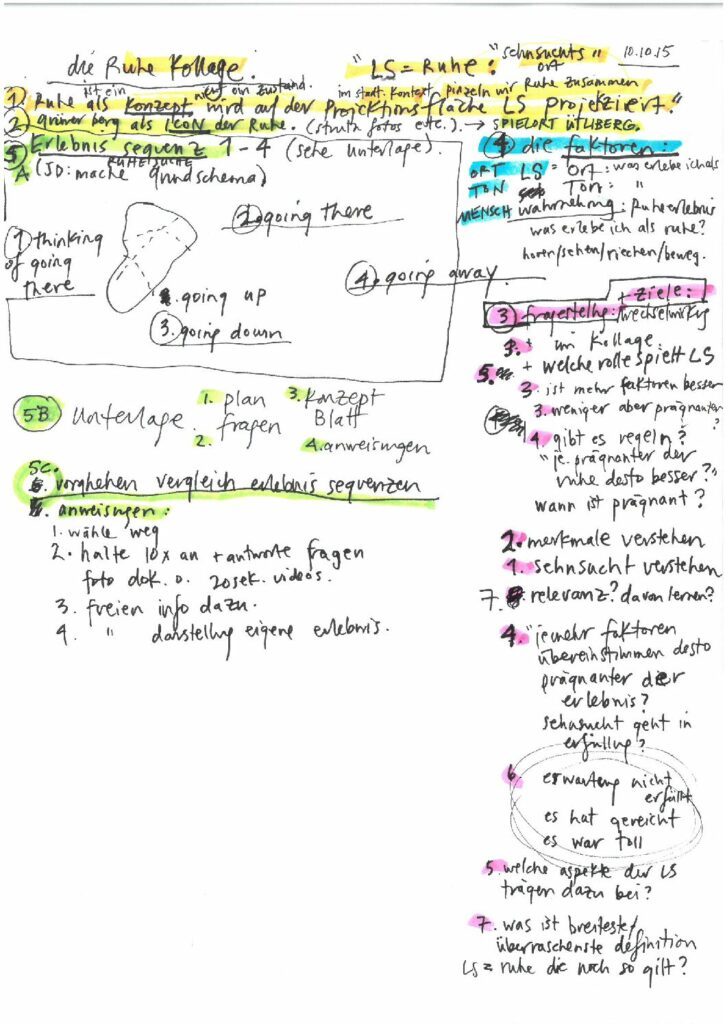
Commissioned to study how landscapes support the longing and search for tranquility in contemporary urban and suburban contexts, the research offers reflections on places that provide calm for city dwellers and points toward planning policies related to noise and sound. Üetliberg—the steep, wooded mountain within the city of Zurich, protected from development since the late 19th century—served as the test site. This landscape fragment affords a deep, immersive experience of “landscape” even while surrounded by the city.
Recognizing that perceptions of sound and noise are subjective and complex, the work developed a Field Research Kit—an approach, graphic template, and catalogue of questions—used to guide on-site walks. Findings indicate that tranquility arises from a collage of visual, emotional, spatial, and social factors, alongside ephemeral atmospheric conditions. The interplay between landscape, sounds heard, and people—both those experiencing the place and those generating sound—shapes the experience. The inquiry followed a simple, almost childlike arc: thinking about going there, going there, being there, and remembering having been there.
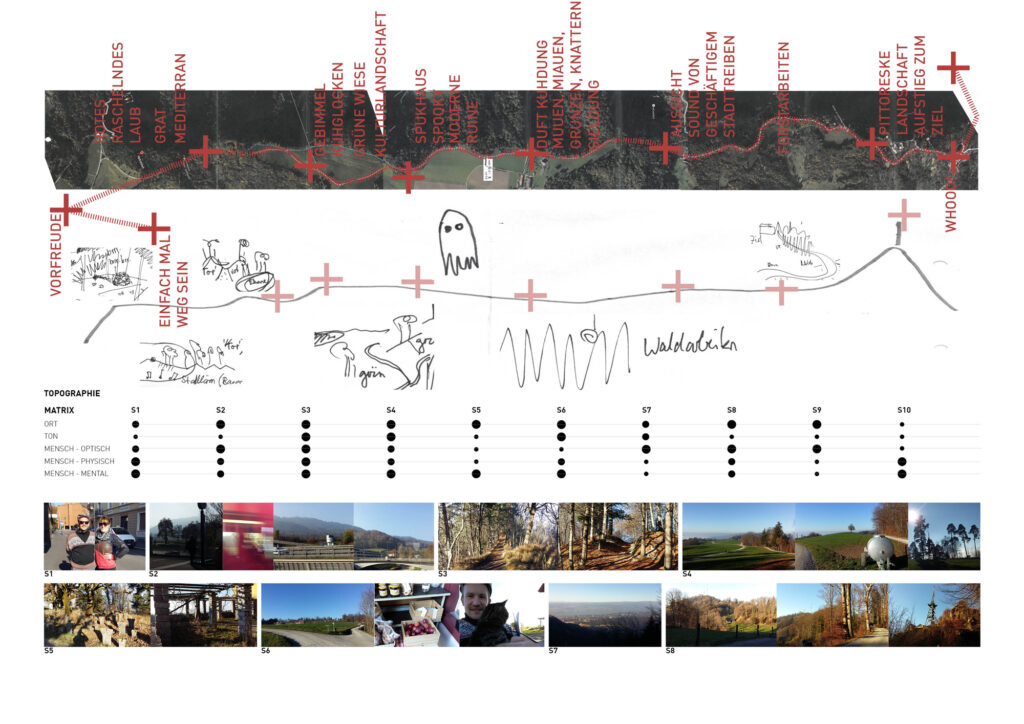
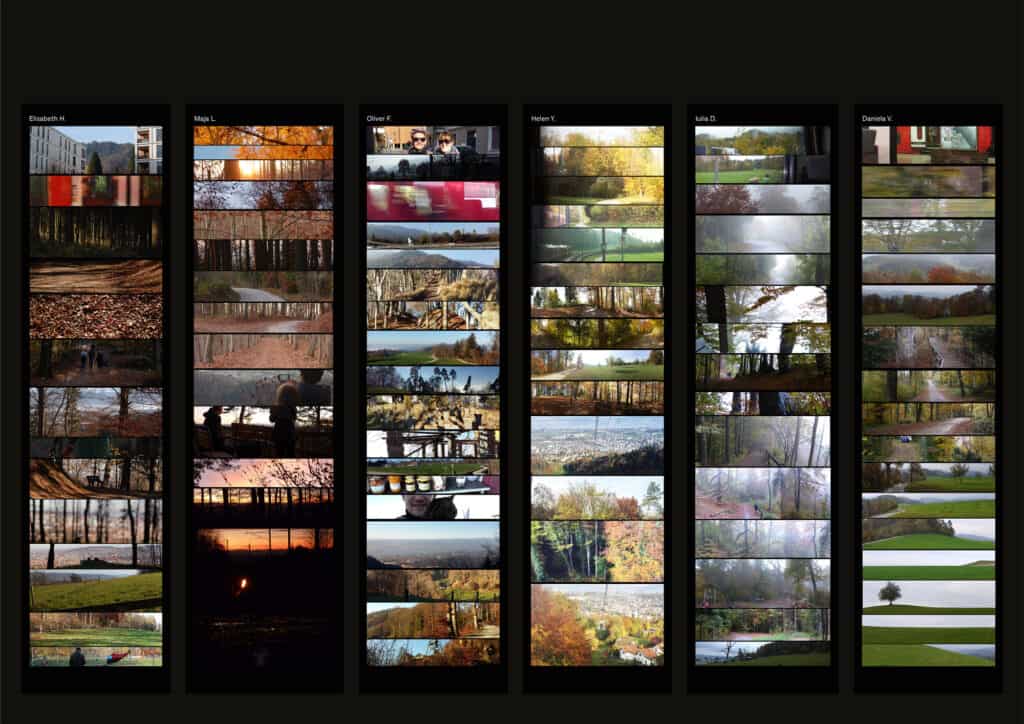
Ten participants walked Üetliberg at different times of day and in varied weather, noting expectations, approaches, landscape characteristics (topography, light, views, paths), sound sources (and when they became disturbing), and the kinds of movement and phenomena that evoke tranquility. A comparative matrix of aesthetic and spatial qualities, coupled with participant texts, reveals how perceptions of tranquility come into being and exposes tensions in contemporary open-space planning.
The study concludes with “Learning From…” reflections and policy recommendations discussed with government stakeholders: design for differentiated places with palpable atmospheres of tranquility—beyond purely functional forestry or agricultural landscapes. Proposed measures include structuring zones, paths, views, vegetation, topography, and features such as seating and water. The applied psychology of tranquility is identified as central to design practice. Above all, design can heighten how places are perceived and experienced as tranquil.