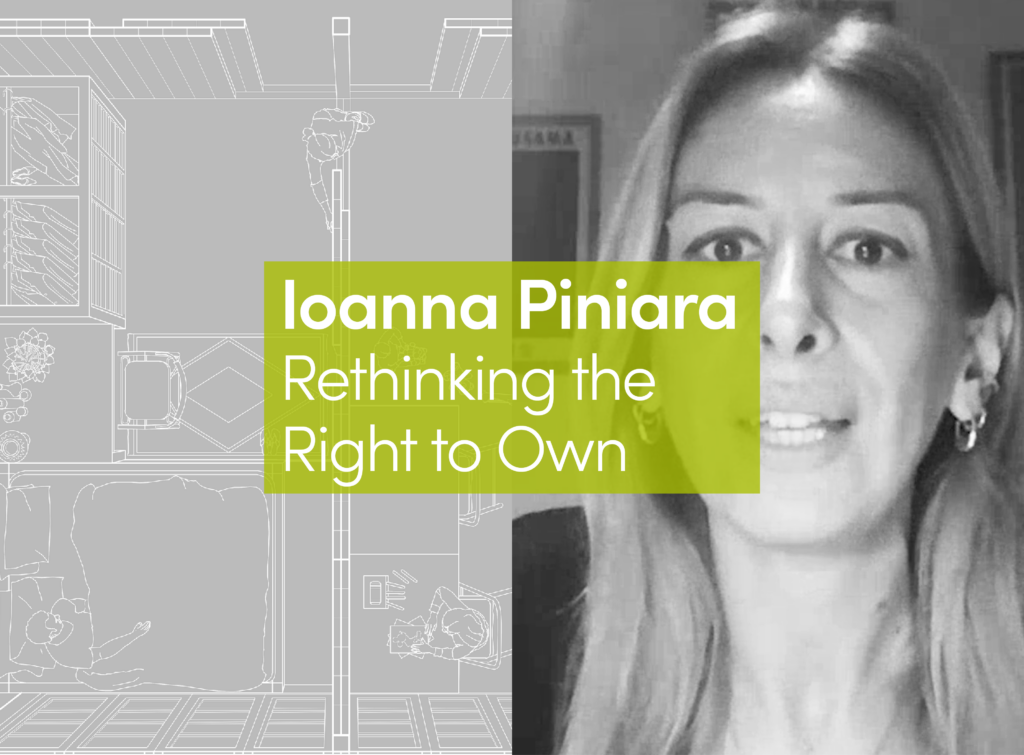



What happens when a major public space is entrusted to an experimental, cross-disciplinary collective?
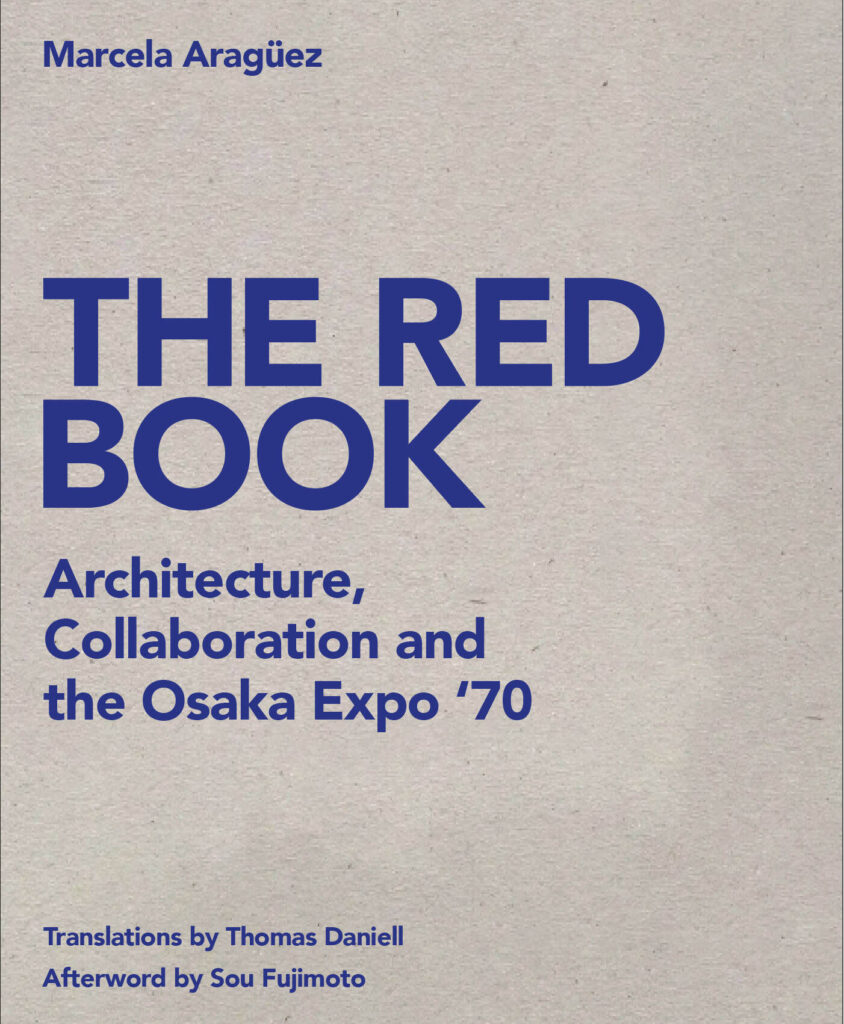
In this conversation, Marcela Aragüez revisits the Red Book, a 1967 report discovered in an archive that documents the conception of Festival Plaza, the main event space of Expo ’70. More than a spatial plan, it brings together ideas for a new kind of performative, responsive public space, merging the imported urban typology of the plaza with Japanese festive practices. Its radical proposition was to entrust this experiment to a diverse collective spanning architecture, art, anthropology, music, and computer science. Though conceived for the Expo, it offered a test for approaches that could eventually extend to real cities.
Key Takeaways
- The Red Book documents an experimental vision developed three years before Expo ’70.
- The plaza merged an imported urban typology with Japanese traditions of festive public life.
- Public space was conceived as performative and responsive, beyond its physical configuration.
- Cross-disciplinary collaboration challenged the conventional authority of architects and planners in shaping public space.