


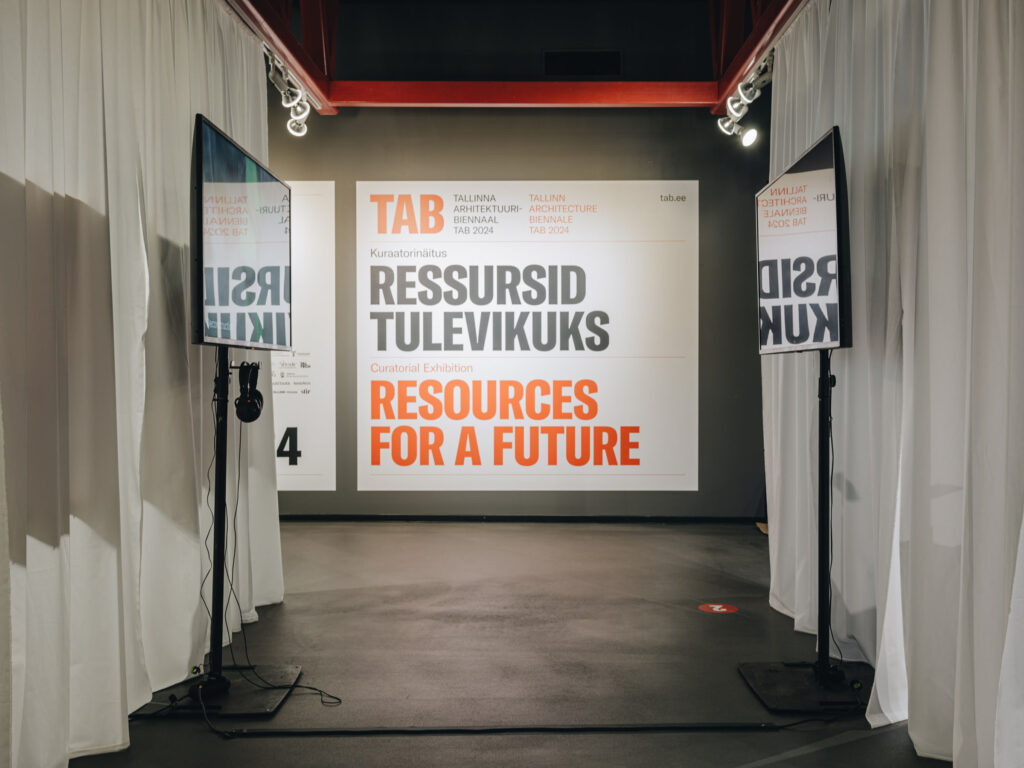
In this piece four exhibition interventions will be presented, that tackle the topic of Resources for a Future from distinct curational lenses.
A Building Repurposing Itself
pihlmann architects & Hampus Berndtson
To reduce surplus materials from the transformation and anchor the building within a rapidly changing context, the project is based on the idea of a building repurposing itself.
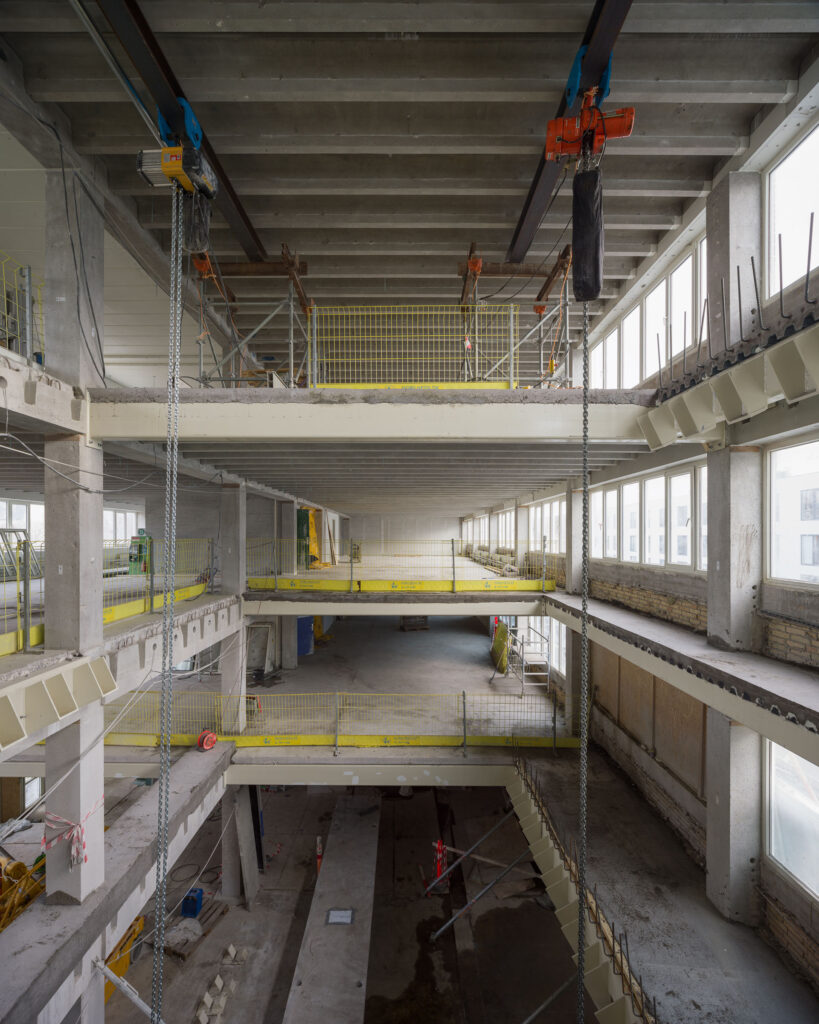
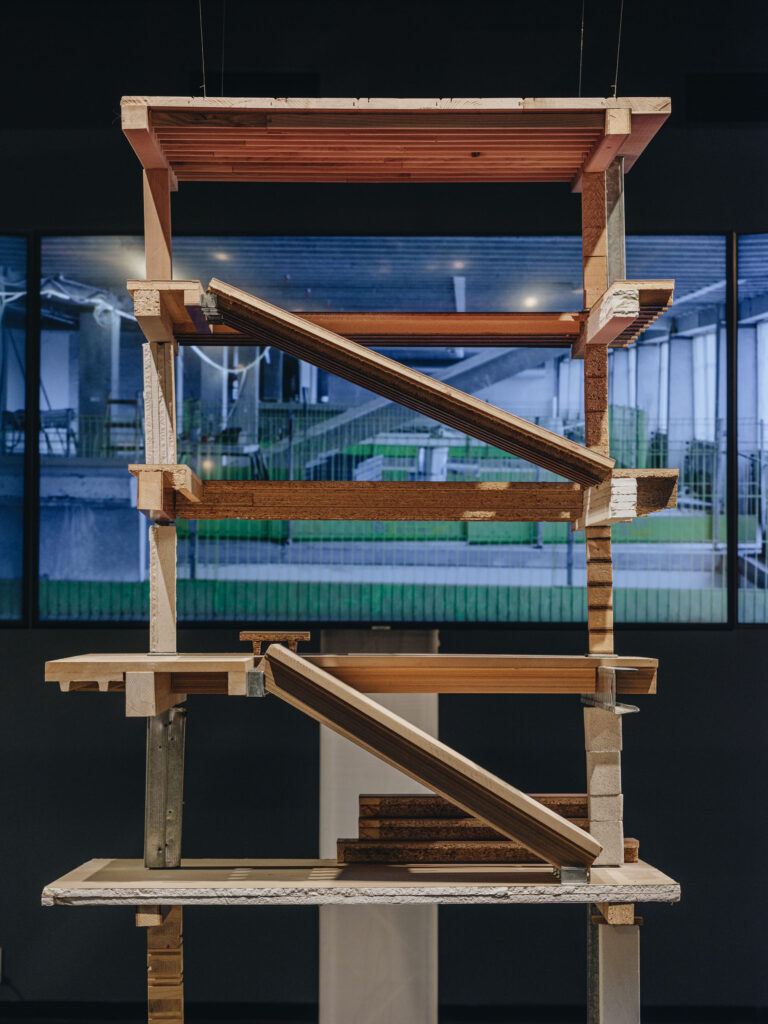
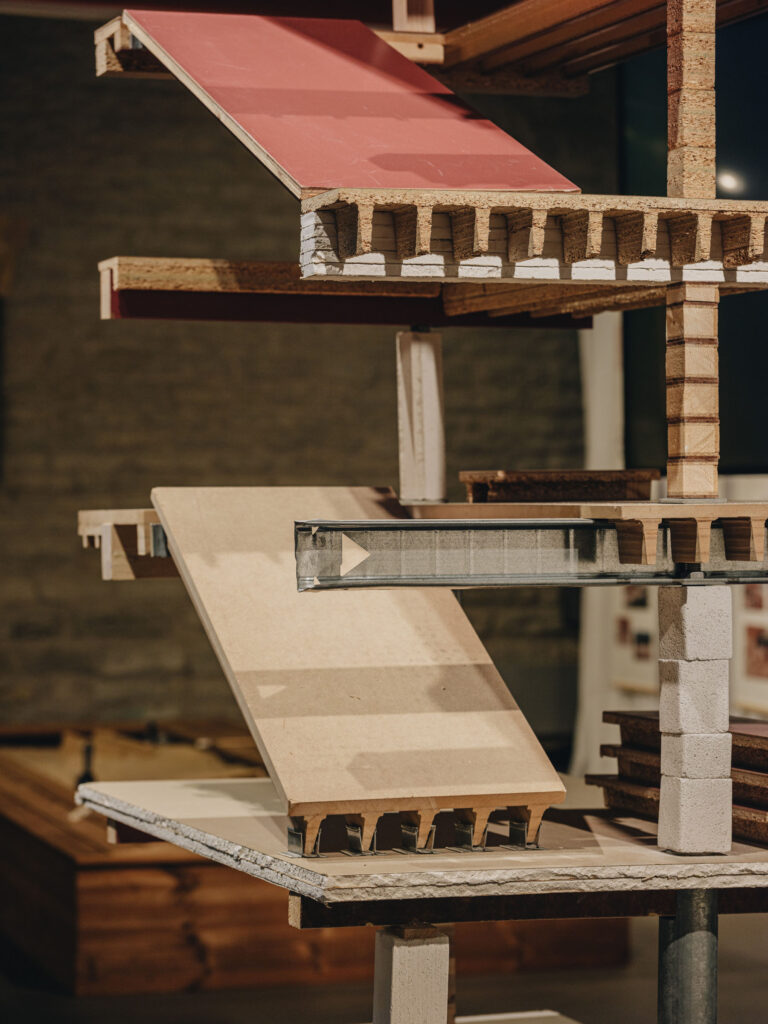
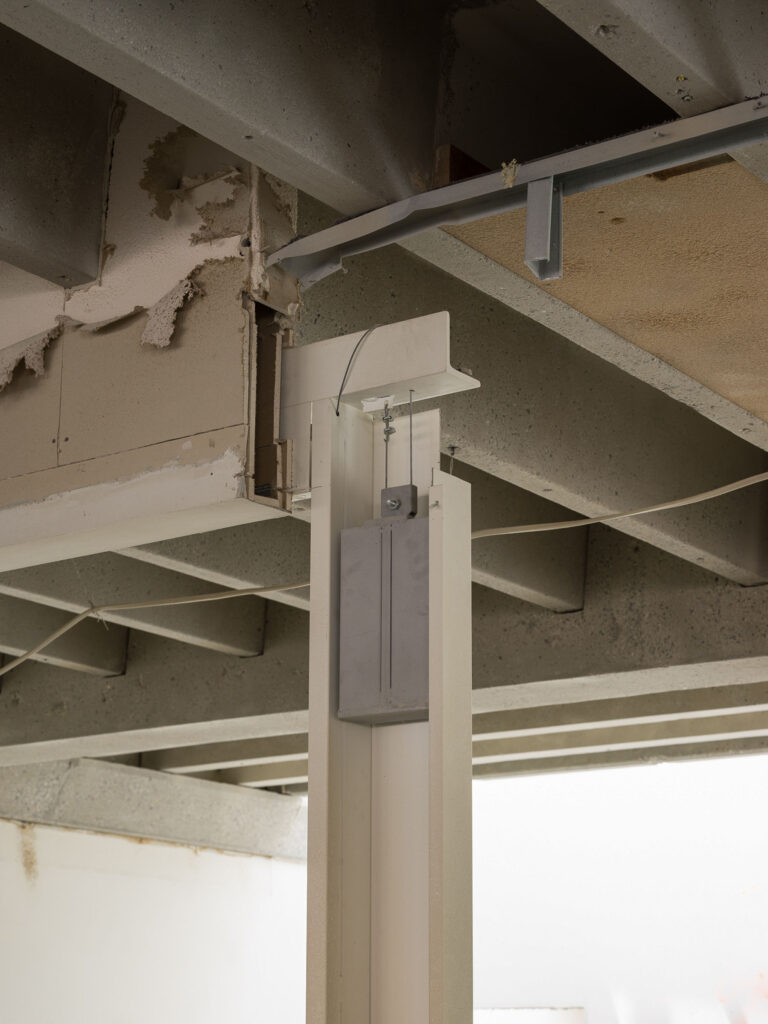
Slabs tilted into stairways and façades reorganised into pavement. To reduce surplus material from the transformation, as well as to anchor the building within a rapidly changing context, the project is based on the idea of a building repurposing itself. Through highlighting pragmatic reuse of materials and components it explores the architectural value of the already existing, transforming an undesirable industrial building in Copenhagen into an open community hub.
All layers of the building, even those deemed worthless, are considered as valuable resources. Most of what originally existed will be maintained in one way or another, depending on its inherent qualities. To realise programmatic needs, these elements are given new forms and functions by virtue of rearranging or remodelling them.
Consequently, informal architecture follows. It is built through subtraction and rearrangement rather than addition, and it shows traces of its origin; the architectural archive of the building is intuitively perceived and revitalised within a cyclic system. The components reflect changing times, functions, and expectations. We exhibit them as architectural pentimento. On the one hand, it seems recognisable by virtue of the elaboration of existing components. On the other hand, unexpected synergies are formed within novel constellations and functions in the rewritten context.
Ornamental Records from Tallinn
Déchelette Architecture
Travel between ancestral techniques and industrial residues, listen and imagine.
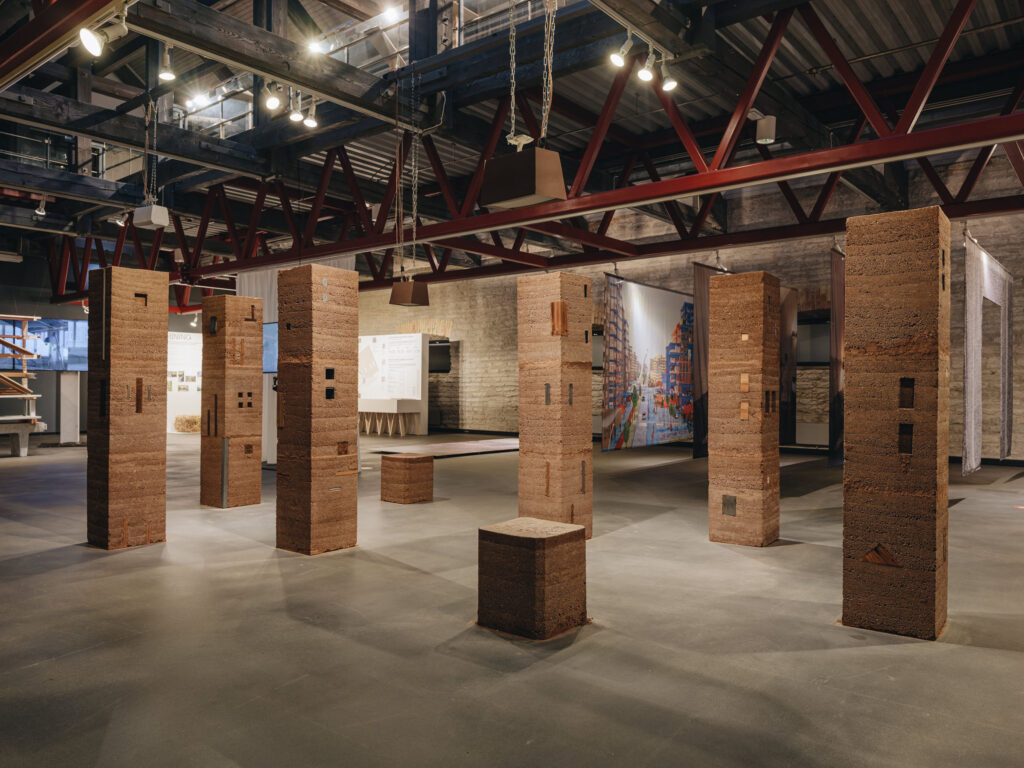
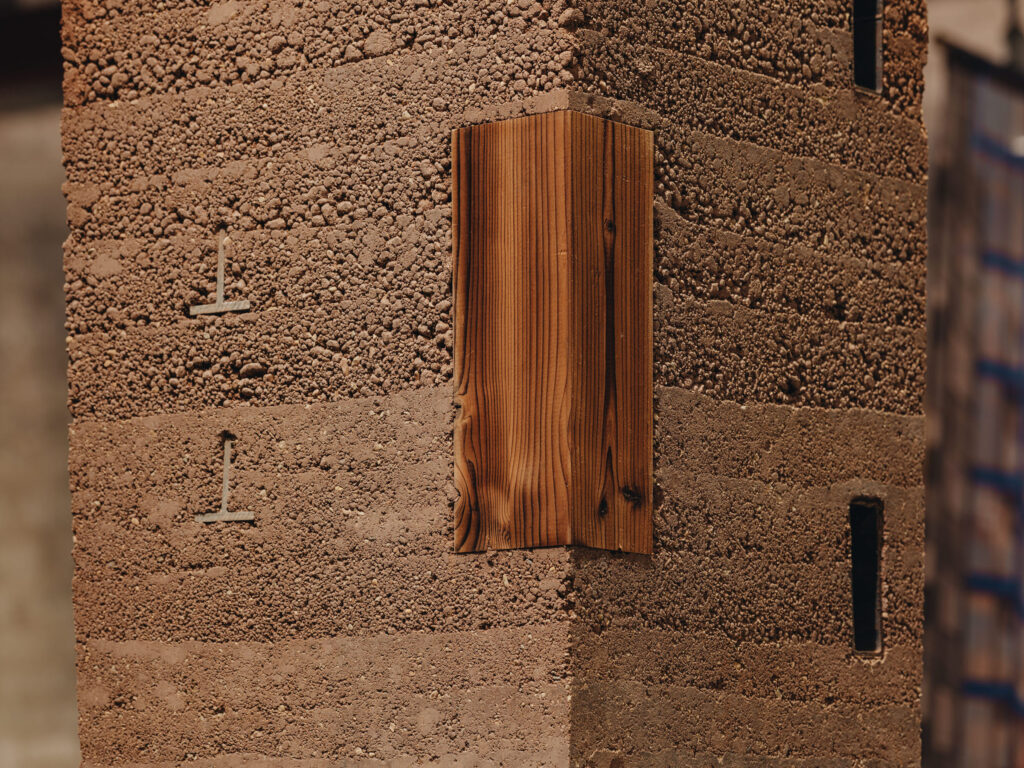
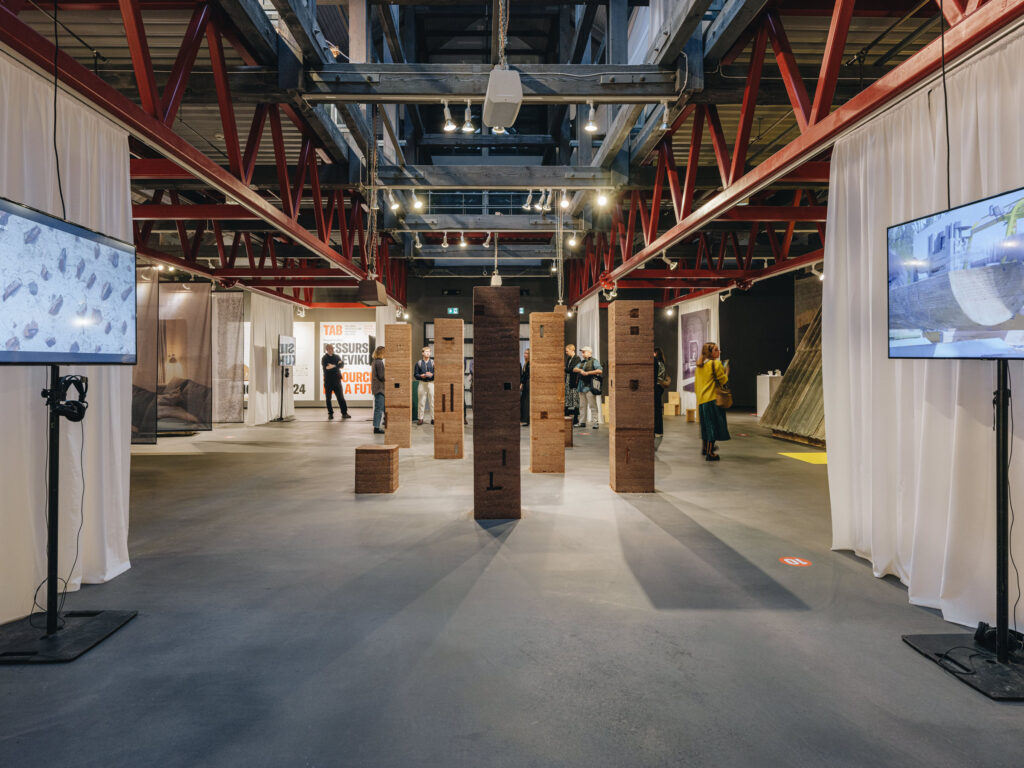
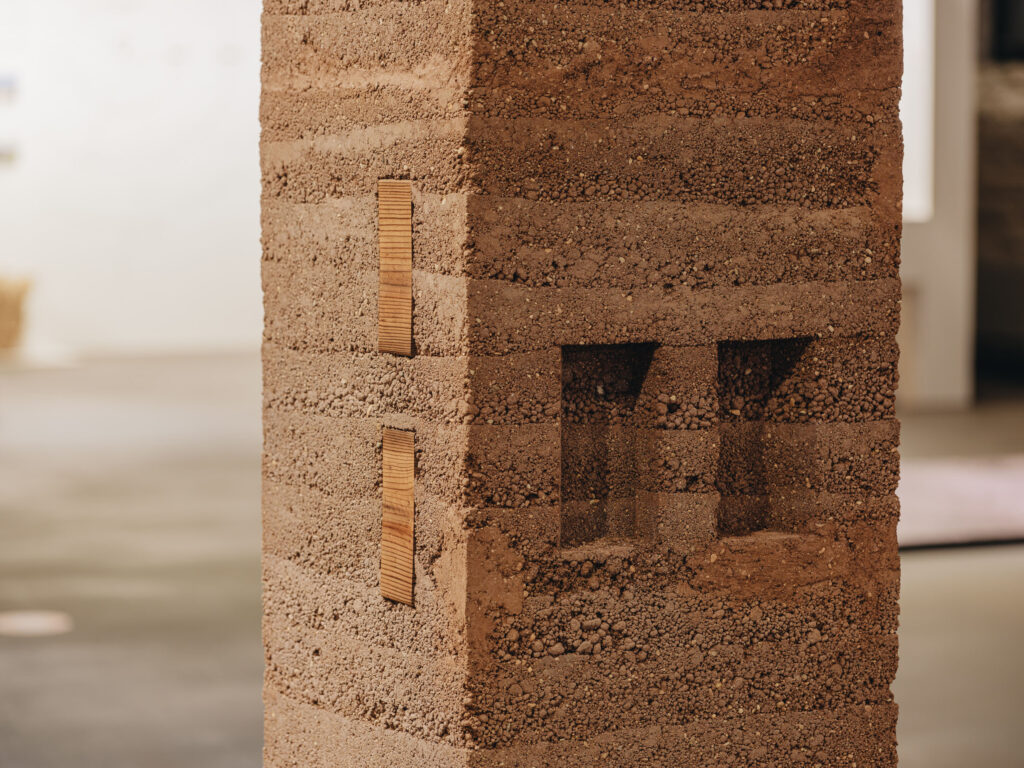
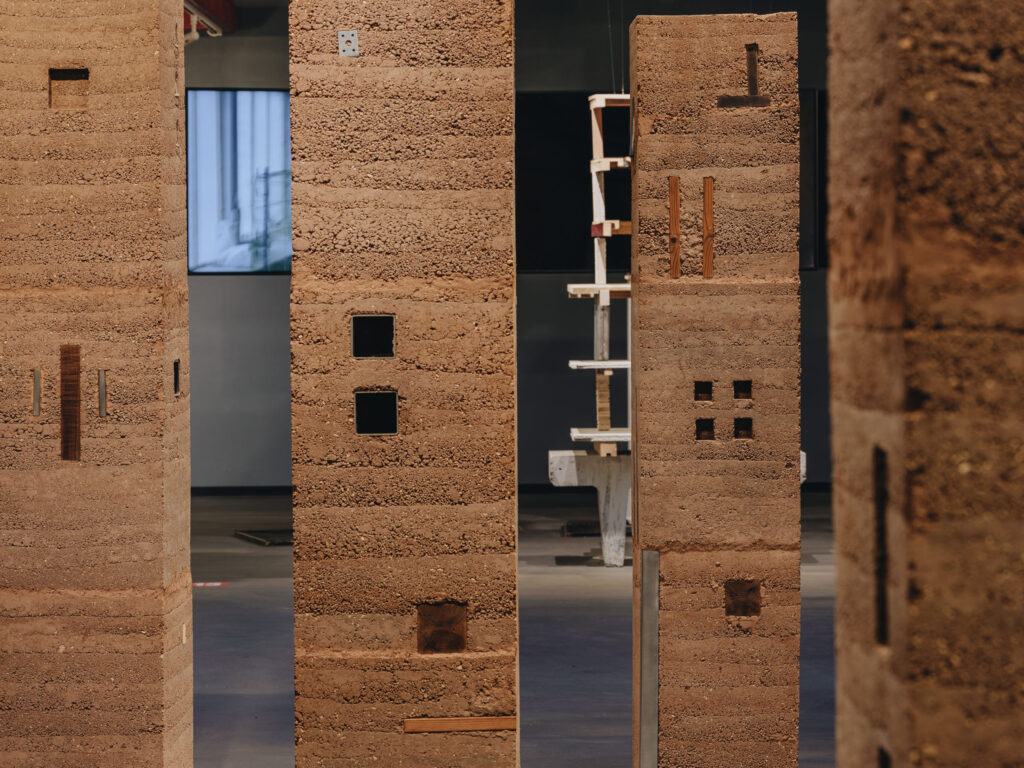
The sensory experience of the project invites visitors to wander between raw-earth columns, outcropping scraps of metal and wood, clearly assembled by human hands. Each column emits sounds that evoke the tonality or the shaping of one of these materials. Together, these sound samples compose a curiously bewitching cadence that takes us on a new space odyssey.
Shamanic or alchemical in nature, this proposal combines bio-based materials, reuse and craftsmanship – three resources which for architects Emmanuelle and Philibert Déchelette are the golden triangle of a post-carbon world architecture. They propose a new approach to this issue, one that is both practical and thoughtful, political and aesthetic, encouraging to decarbonise with subjectivity and creativity.
After creating a prototype in a workshop in Paris, Emmanuelle Déchelette travelled to Tallinn to create the 20 blocks that make up the installation. On-site volunteers, including architecture students from the Estonian Academy of Arts, participated in creating the blocks and learned the techniques of rammed earth. The blocks were left to dry for three months before being assembled in the exhibition space.
All the resources were sourced locally in Estonia. The earth came from South Estonia, and the metal scraps were collected from construction workshops in Tallinn. The soundtrack was edited in Paris by musician Pablo Altar. Special thanks for their invaluable support go out to the TAB team, to the ramming team: Hélori Leroch, Adrien Gadet and all the students and volunteers.
Networks, Not Products: A Projects’ Dialogue
BC architects & studies & materials & Alexandre Humbert
Projects serve as prototypes, exploring bioregions and their interconnected building culture.
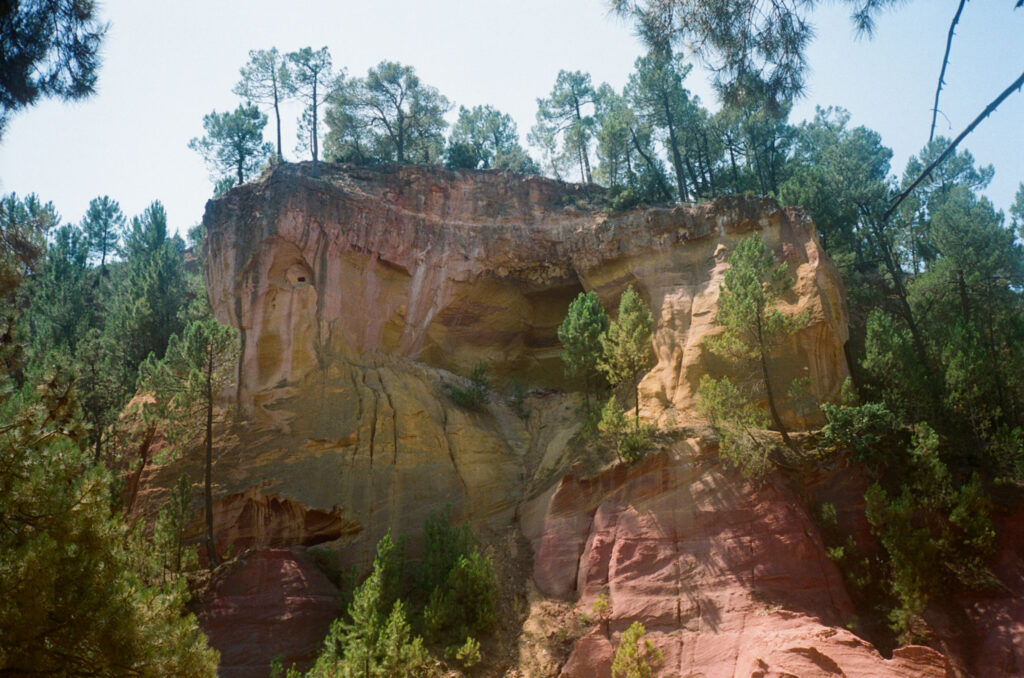
Resources are the foundation of architecture, shaping the practices of architects, craftsmen, and material producers. BC – a group of architects, educators, material engineers, and producers – is at the forefront in exploring and developing materials from bio-, geo-, and urban-sourced resources. Projects serve as prototypes, exploring bioregions and their interconnected building culture. BC tries in its work to demonstrate how integrating local resources into construction can drive systemic change toward a more sustainable and bioregional construction culture. Achieving this requires cultivating and strengthening the networks that support these efforts. BC (re)discoveres the potential of these resources, considering the bioregion, human actors, economic realities, and the broader societal context.
The dual video installation offers a deep dive into two BC projects. Each of the 20-minute films reveals the story behind the materials, highlighting the connections between people, processes, and place. By showcasing these networks, the architects aim to inspire a systemic shift towards a construction sector that focuses more on bioregional materials.
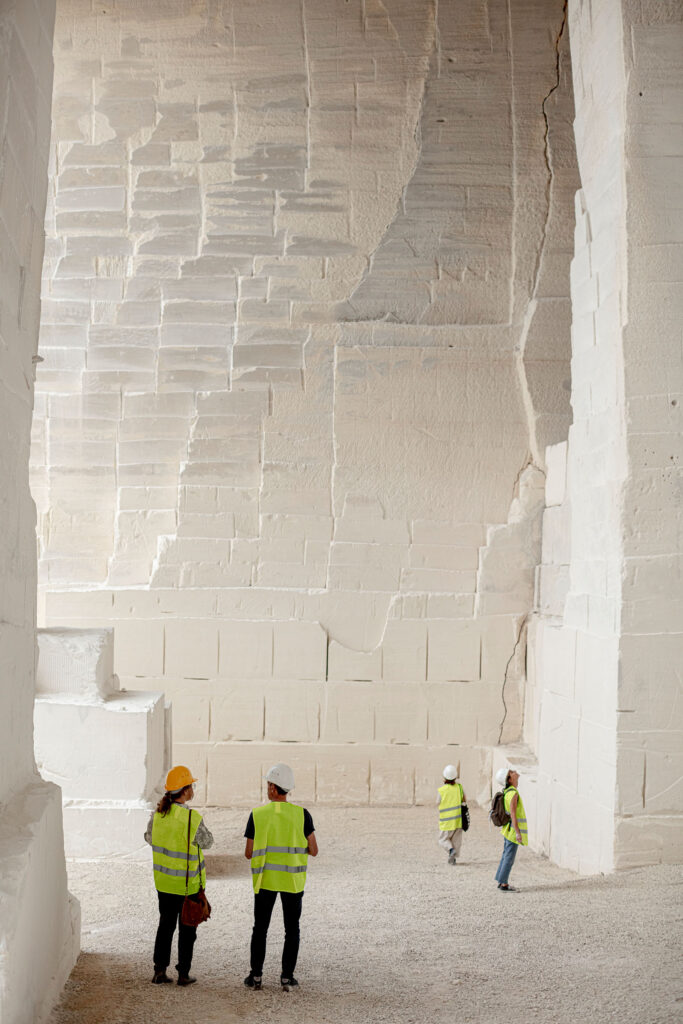
Space of Earth
Raphael Zuber & Laura Cristea
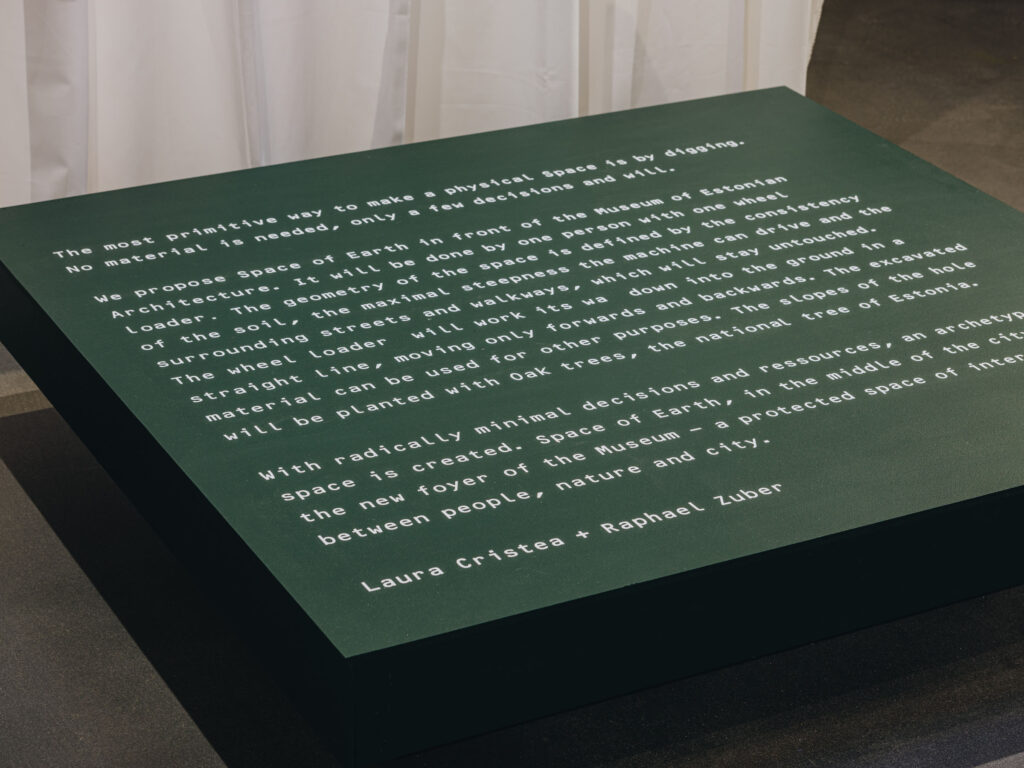
With radically minimal decisions and resources, an archetypal space is created.
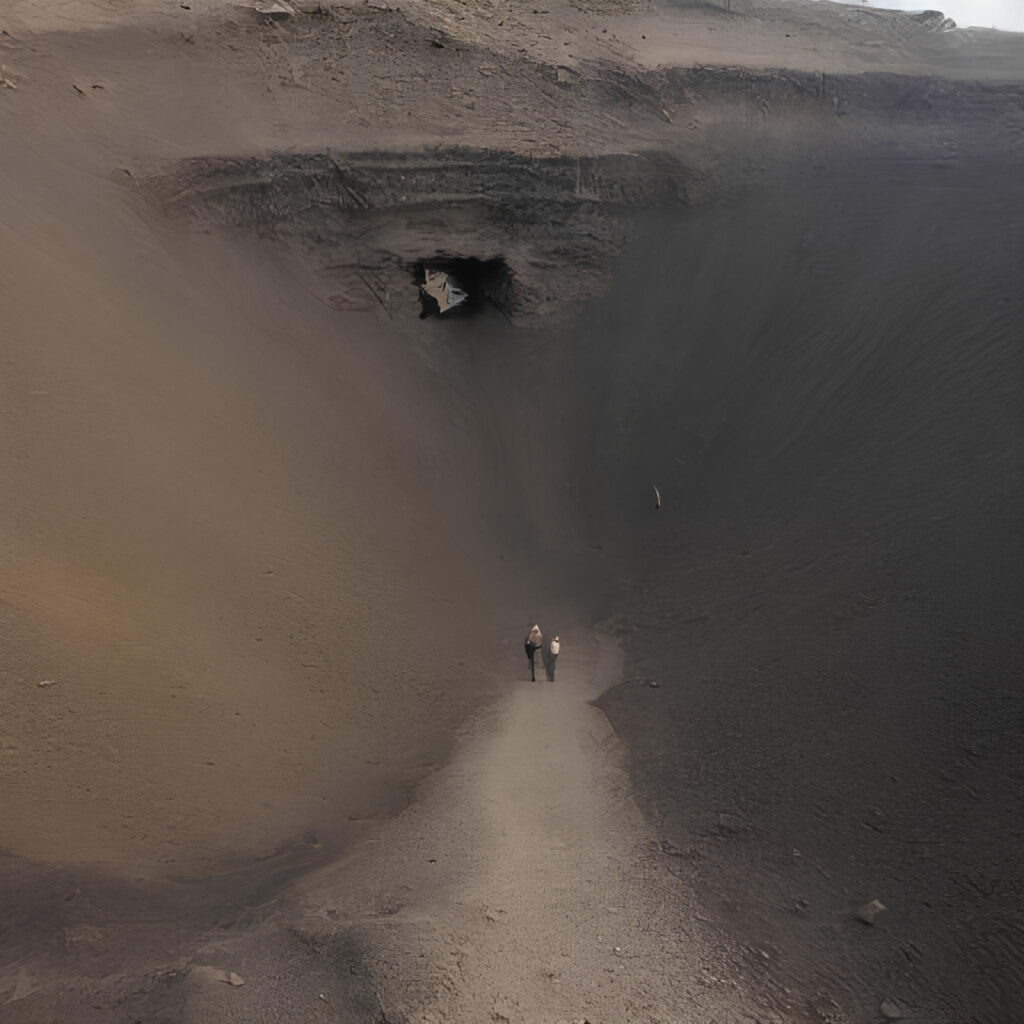
The most primitive way to create a space is by digging. No material is needed, only the decision. Digging allows both animals and humans to create spaces that either last or disappear without leaving any traces.
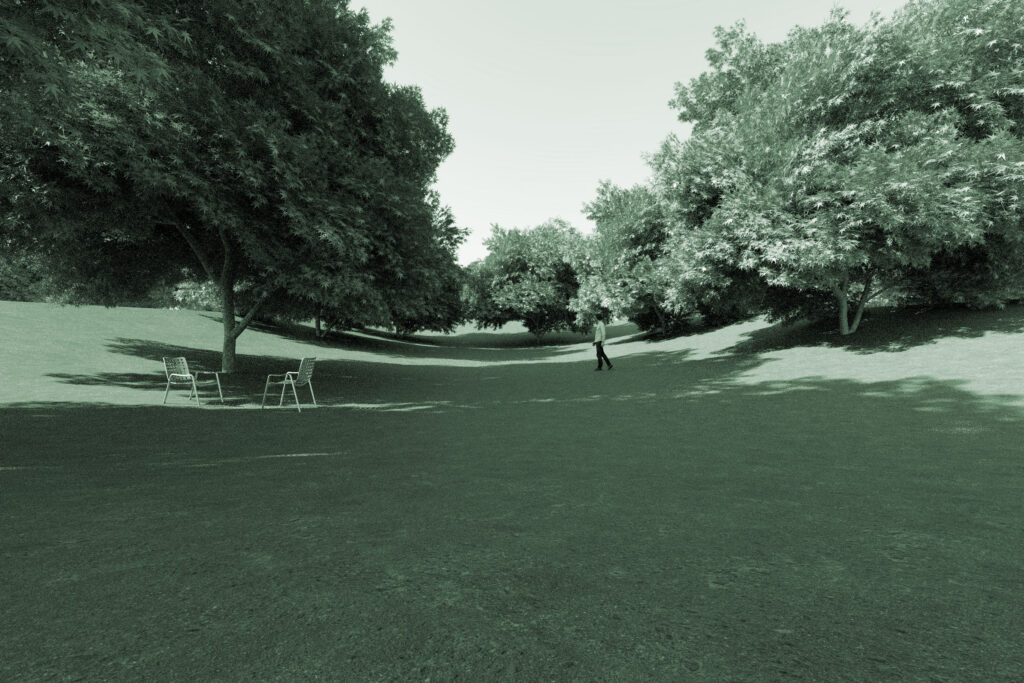
We propose creating a ‘Space of Earth’ in front of the Museum of Estonian Architecture using just one person and a wheel loader. The geometry of the space is defined by the consistency of the soil, the maximum incline the machine can handle, and the surrounding streets and walkways, which will remain undisturbed. The wheel loader will work its way down into the ground in a straight line, moving only forwards and backwards. The excavated soil can be repurposed for other uses. The slopes of the excavation will be planted with oak trees (Quercus robur), the national tree of Estonia.
The existing exposed hill entrance is reoriented inward. By using radically minimal decisions and resources, an archetypal space of nature is created. ‘Space of Earth’ is situated in the heart of the city and serves as the new foyer for the Museum. The space of earth is the result of a fundamental architectural gesture: a protected space of interaction between people, nature and the city.