


Intermediate House is defined by conditions of mediation: between public and private, open and closed, interior and exterior, mobile and fixed, light and shadow, natural and artificial, industrial and handcrafted. The project locates domestic life within these in-between states and treats the threshold as its primary spatial condition.
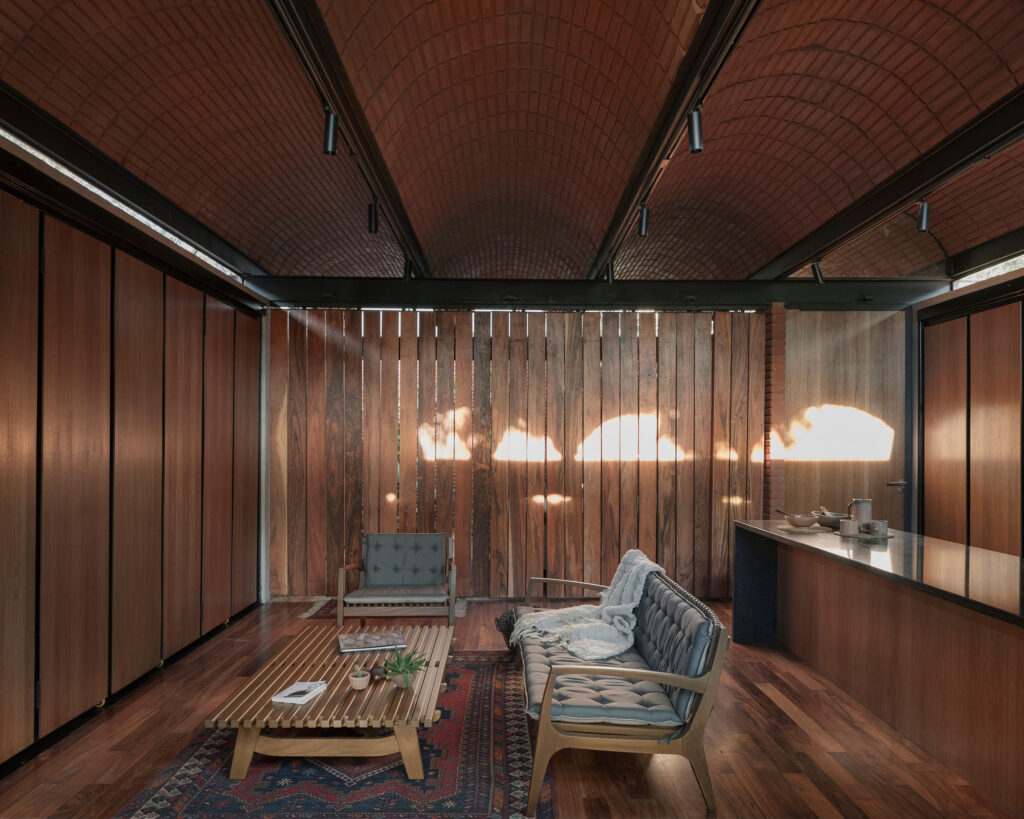
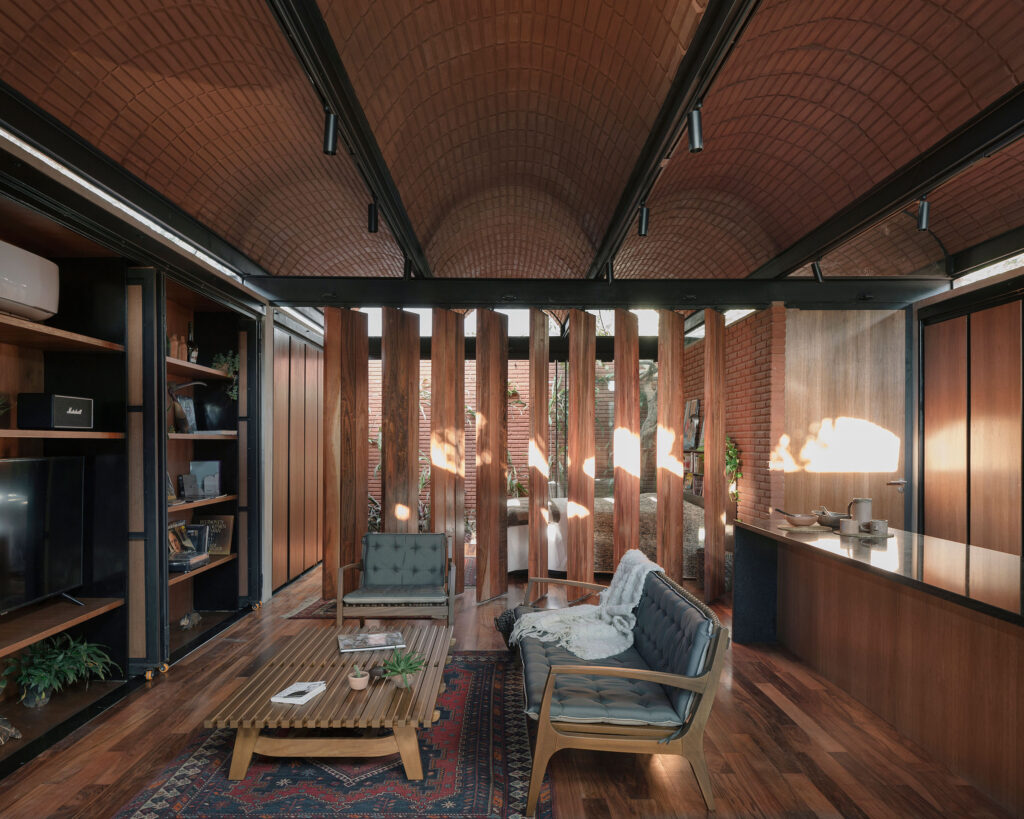
Architecture is framed as a practice of mediation between inhabitation and matter. The project engages the passage from the immaterial realm of ideas to the physical reality of construction, where design is shaped through negotiation, adjustment, and material testing.
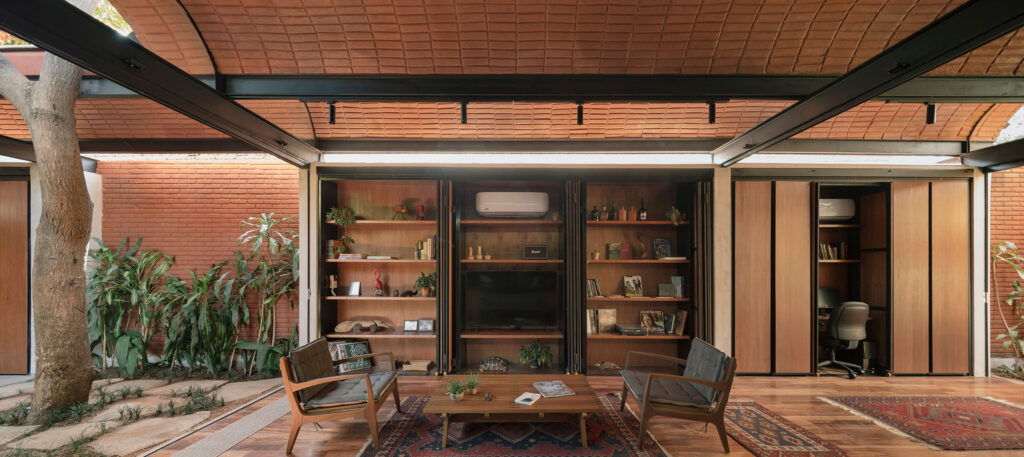
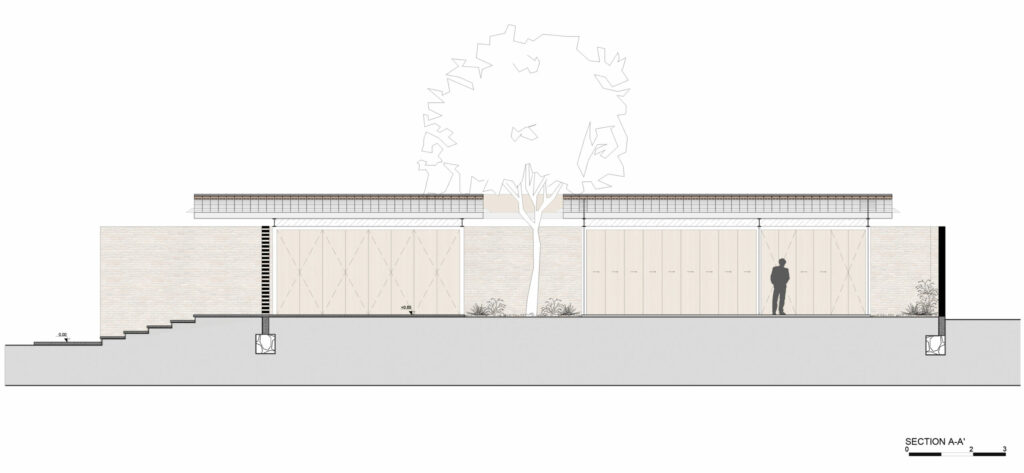
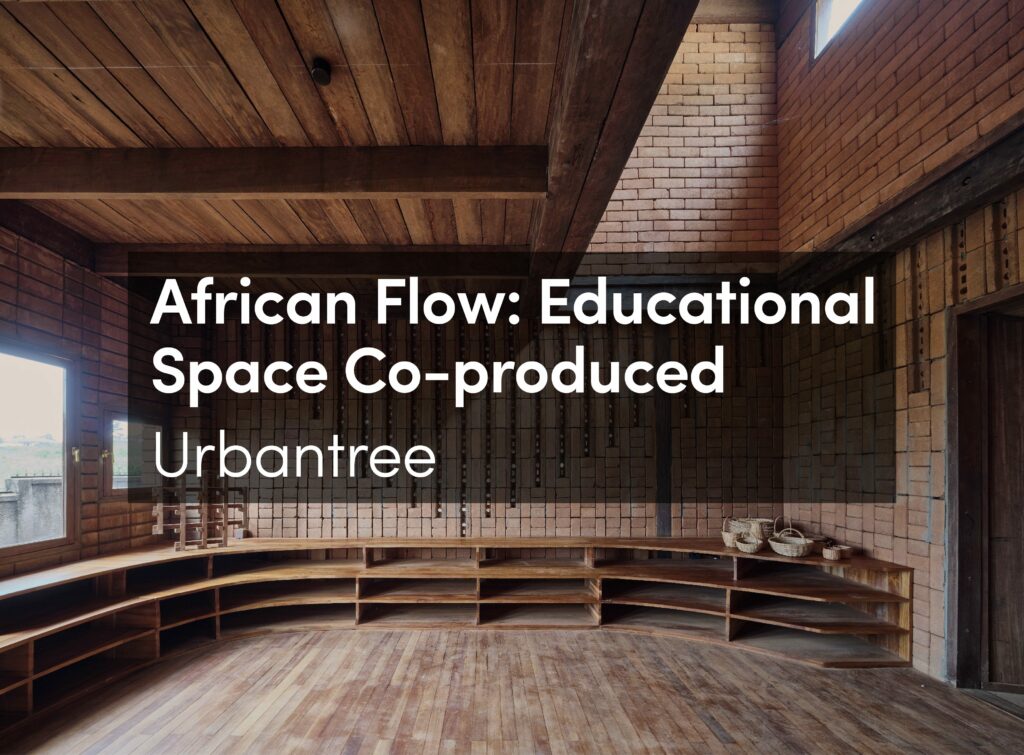
Positioned within a lineage of architectural continuity, the house draws on inherited knowledge while projecting new possibilities for living. The project adopts the idea that structural support may also become functional support, organizing the house through a perimeter of furniture that simultaneously carries the roof and structures domestic use. In this way, functional flexibility is embedded in both the spatial arrangement and the constructive logic, allowing private and collective domains to shift according to occupation.
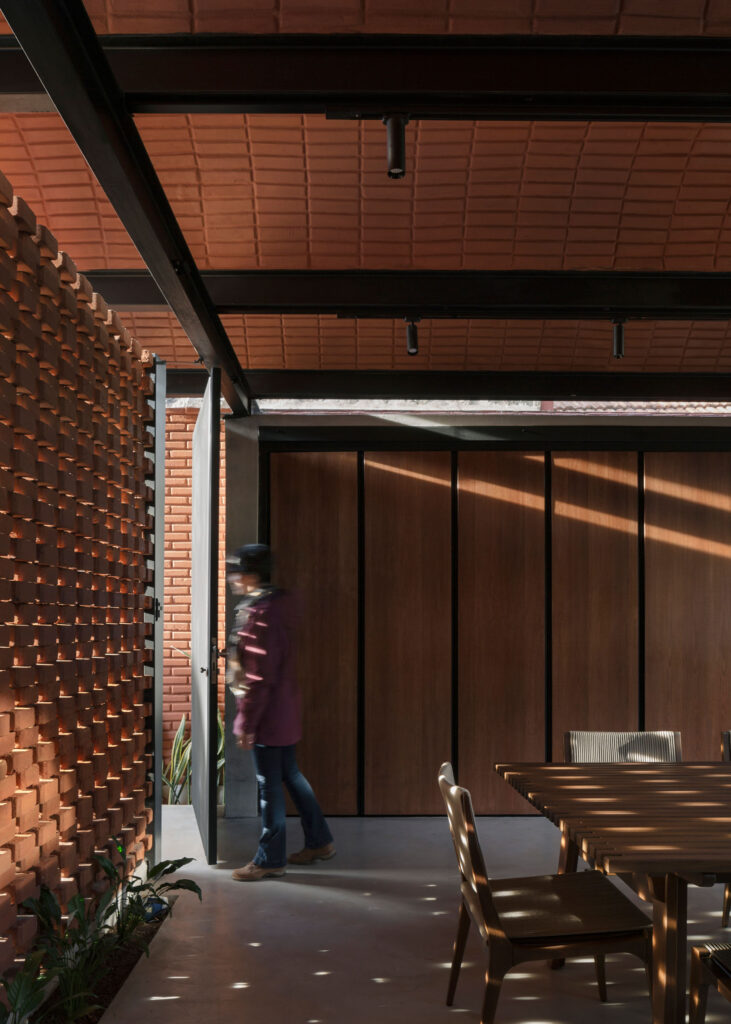
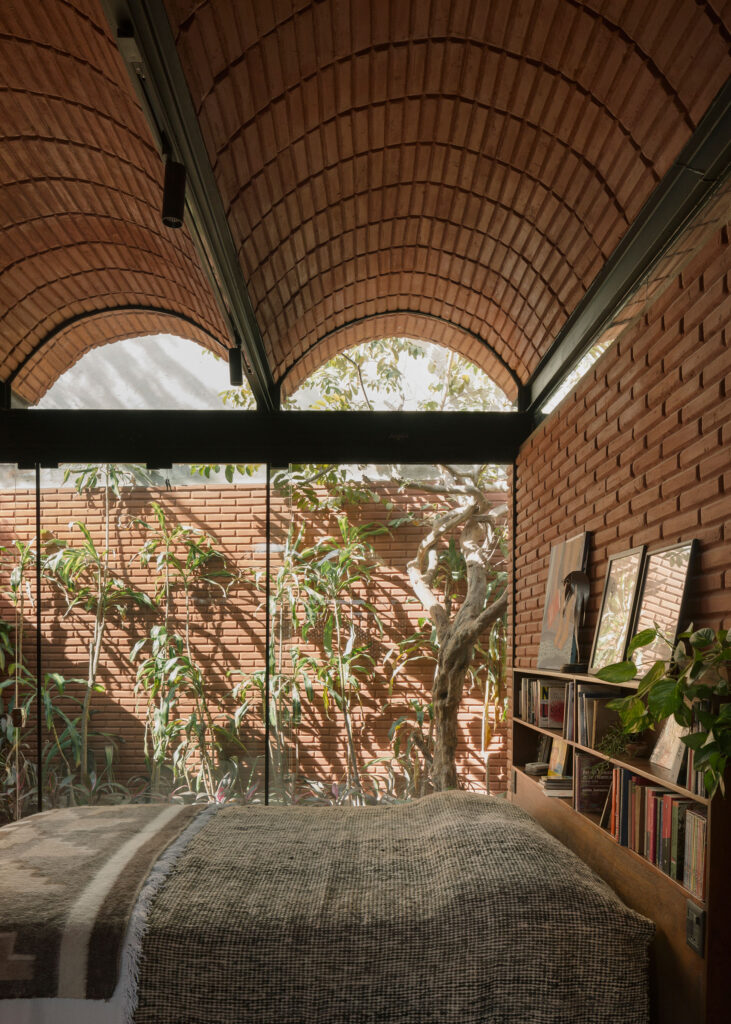
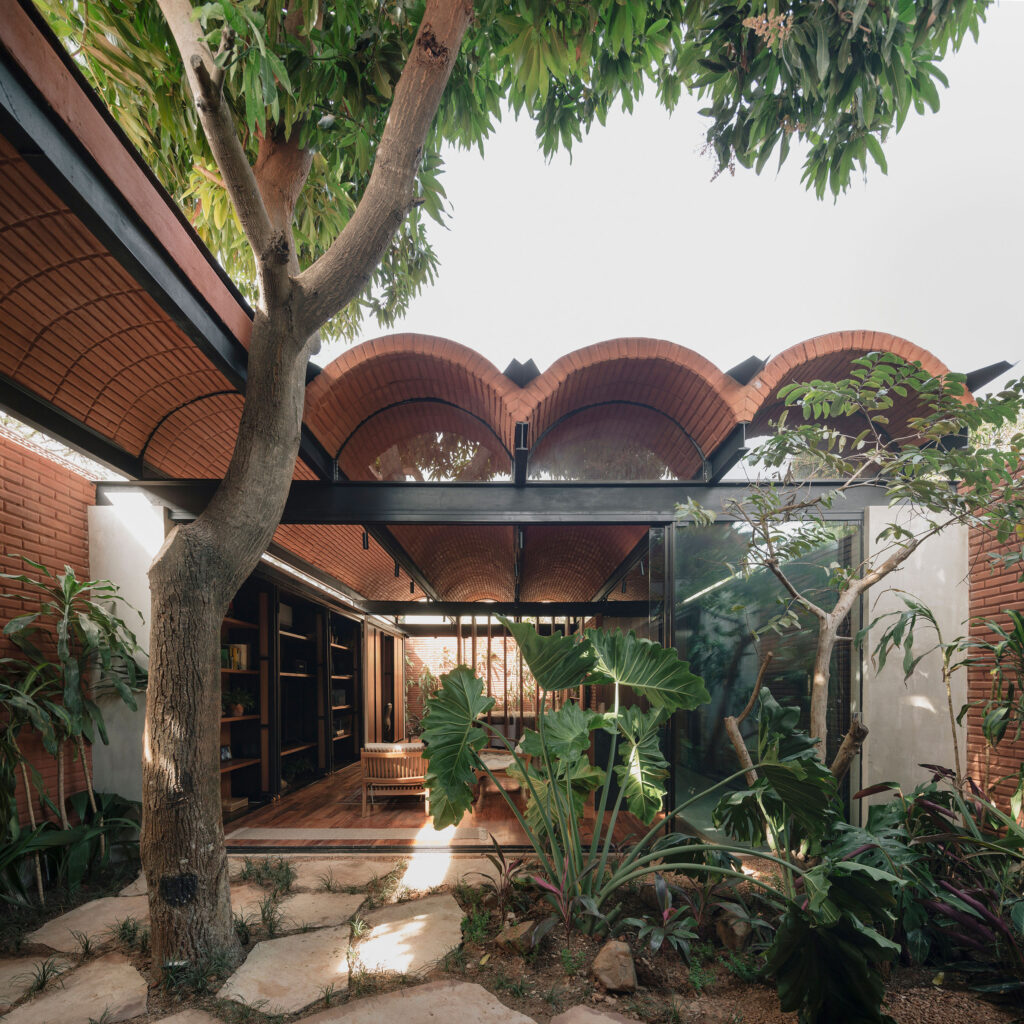
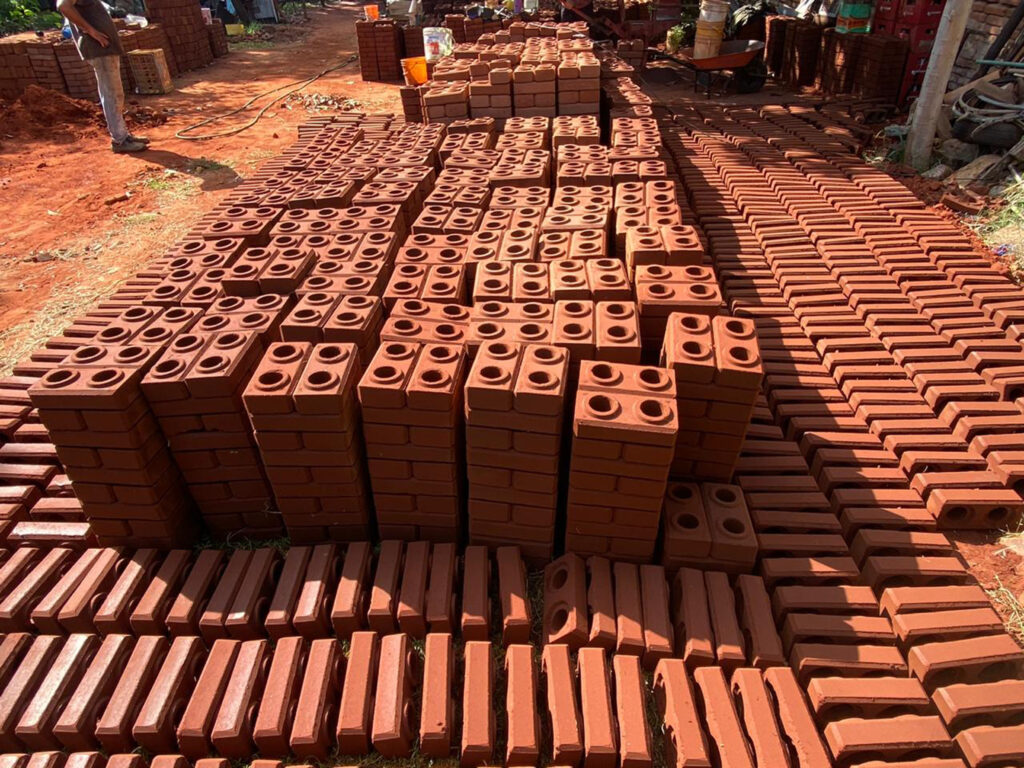
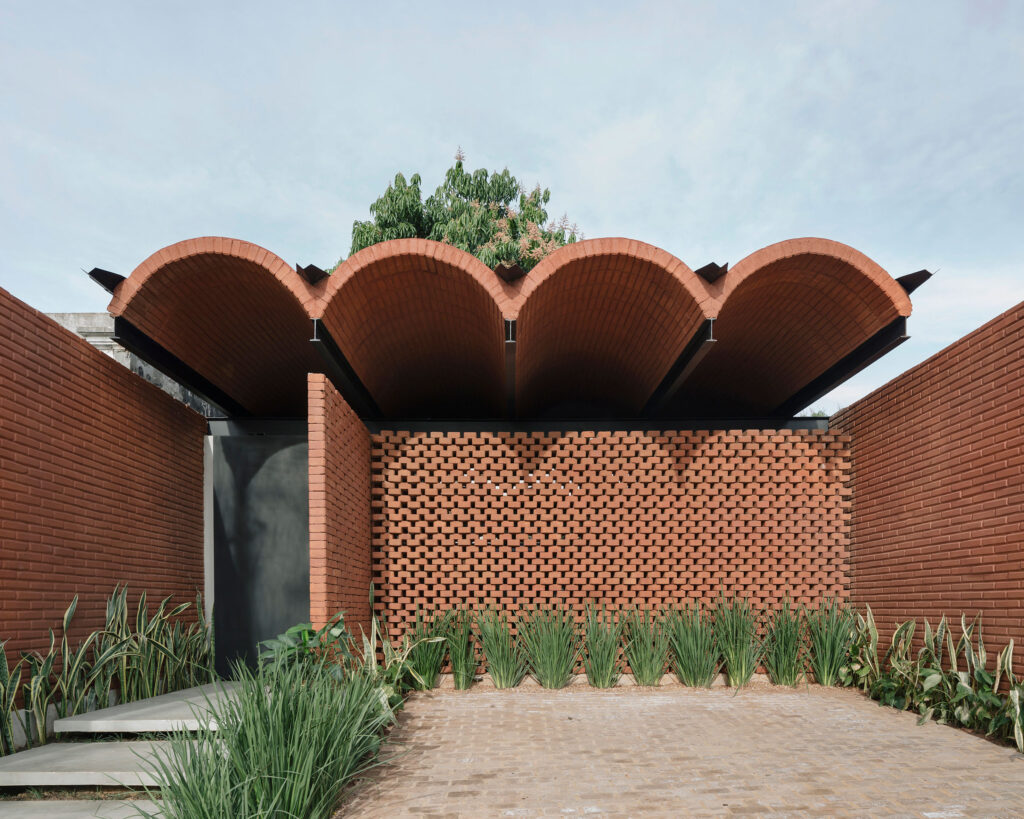
The project also draws from vernacular construction traditions in which intermediate space becomes the most valued part of the dwelling: a place of reception, exchange, and shared life. Manually pressed unfired-earth bricks are used to build walls, filters, and vaults that promote natural ventilation and soften the boundary between interior and exterior.
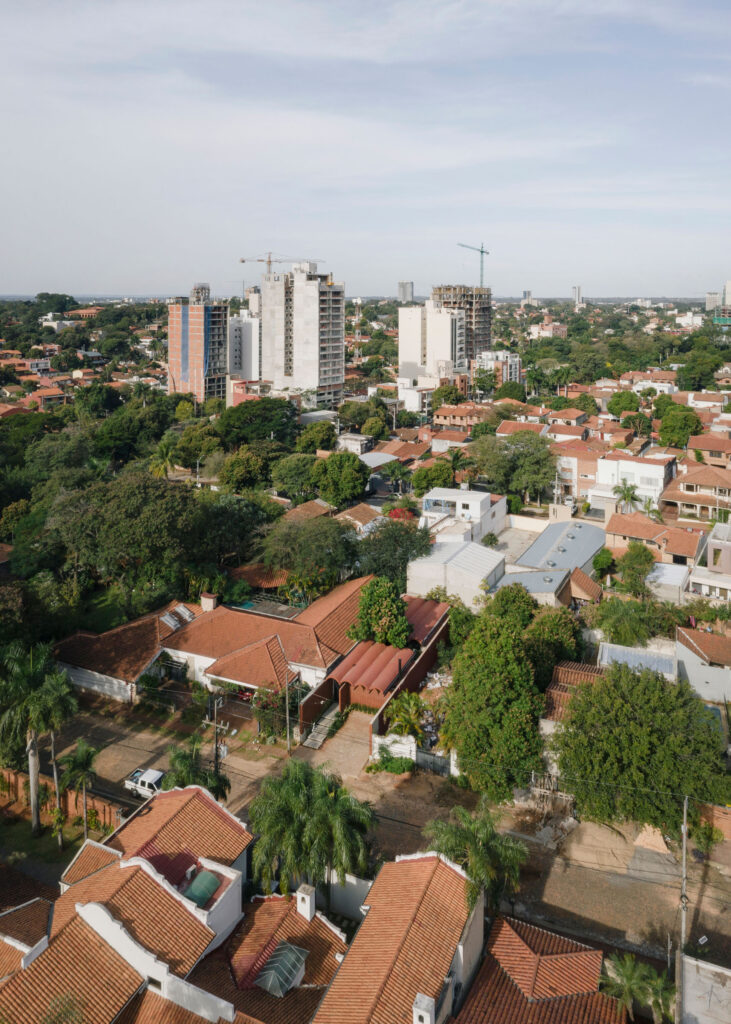
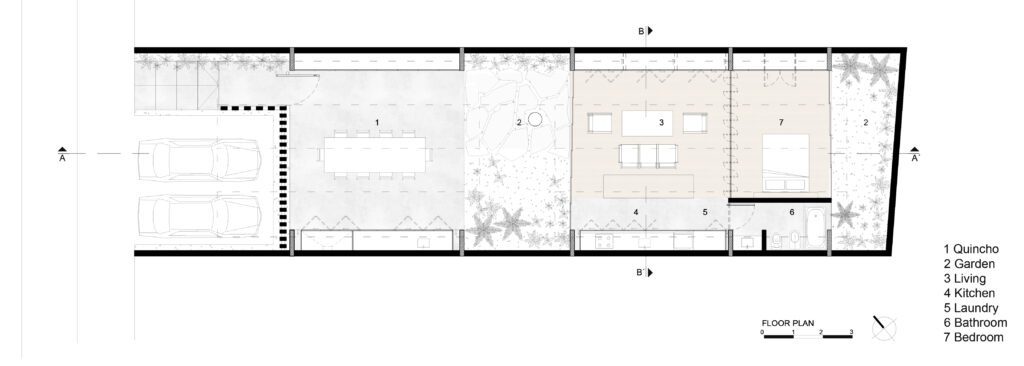
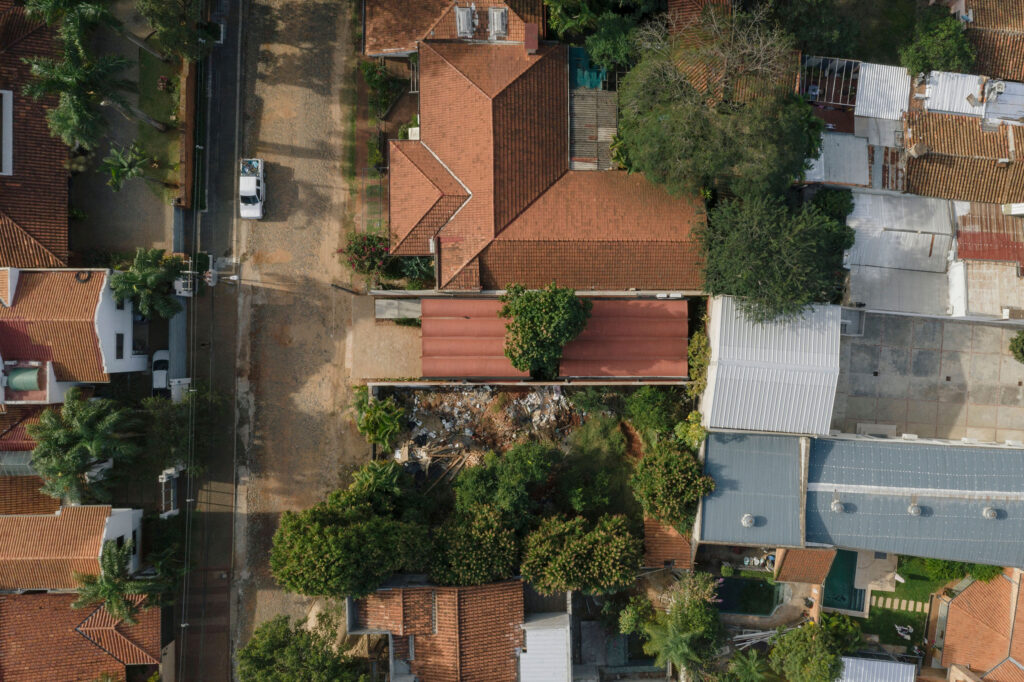
Located on a 190-square-meter plot, the house is organized around a mango tree that mediates between two detached yet visually connected volumes. This arrangement establishes spatial continuity from the front filter wall to the rear boundary wall. Within a built area of 115 square meters, a system of filters, doors, and shutters reinterprets the logic of the existenzminimum through a local subtropical approach.
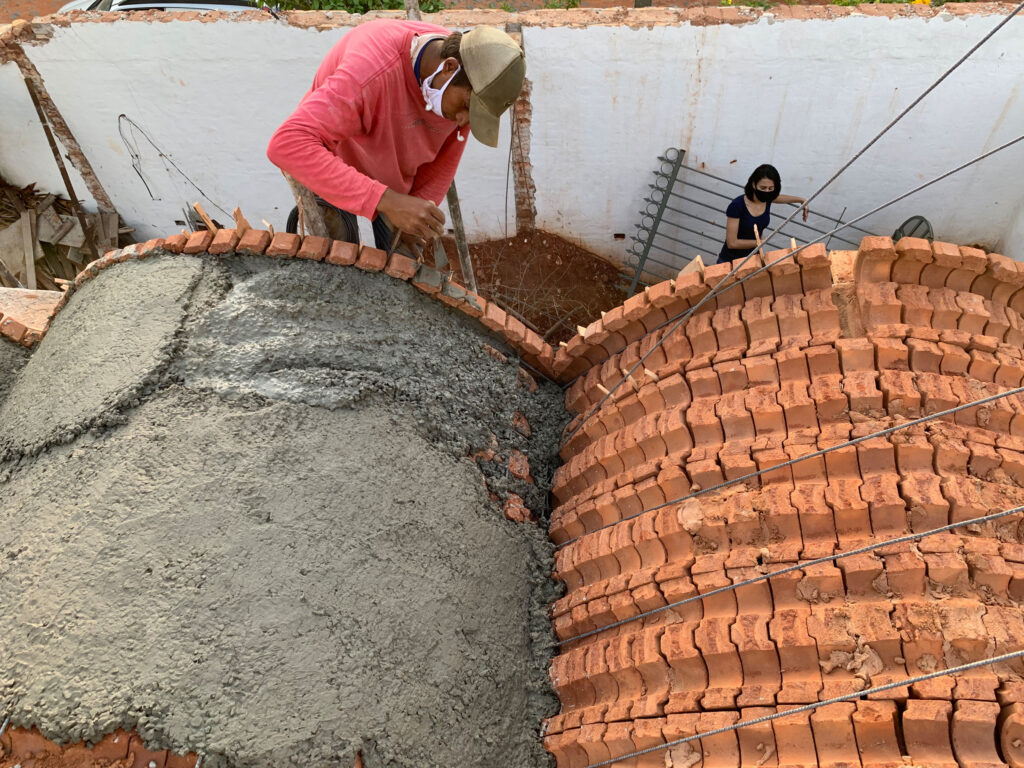
The material strategy seeks a balance between industrial production and craftsmanship, using available resources to develop alternatives to conventional construction methods. The roof is formed by reinforced vaults made from compacted earth blocks cut in half. The resulting channels act as formwork for reinforcement and a thin concrete layer, enabling the two materials to work together structurally.
Across all scales, from the production of raw material to the design of furniture mechanisms, the project pursues a synthesis between architectural intention and constructive execution.