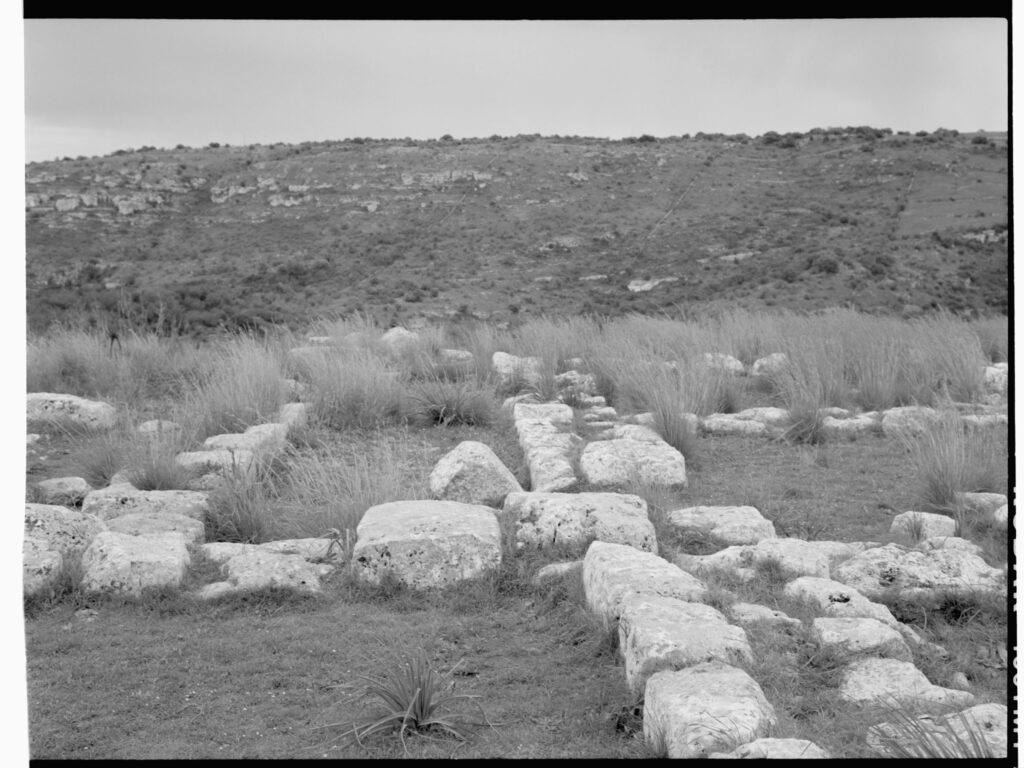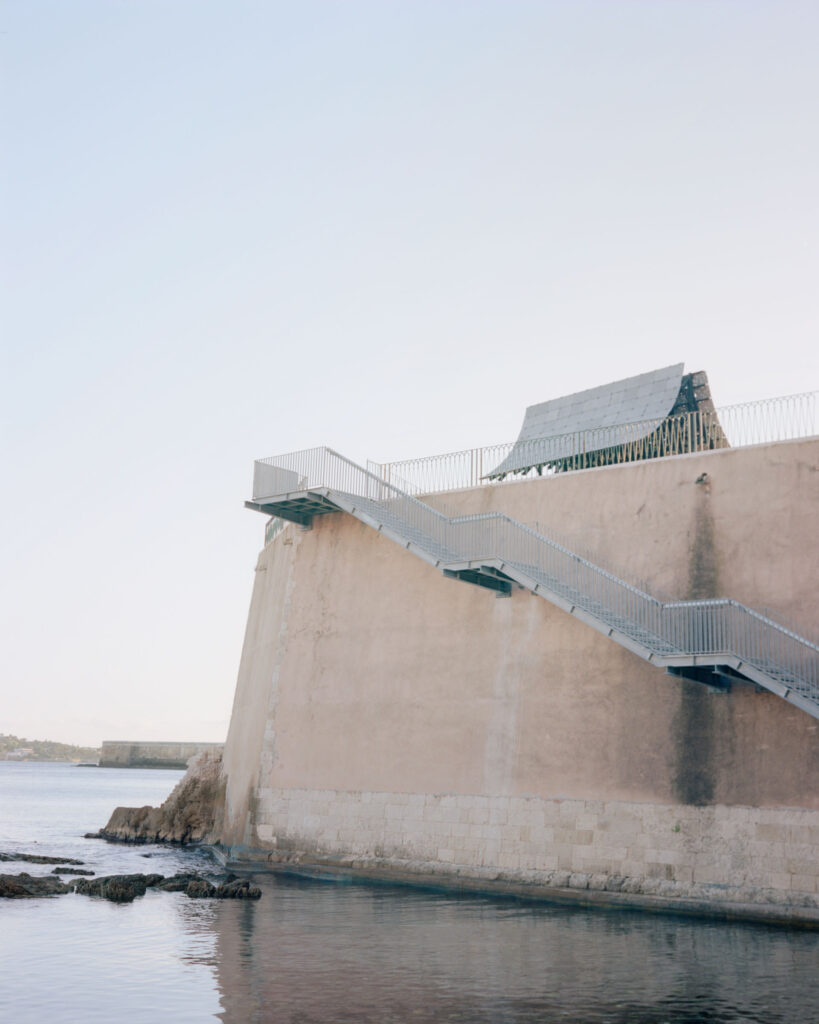



Set within the landscape of the Anapo River valley, Pantalica Speculations begins from an absence of evidence. While Pantalica is known for its more than 4,000 rock-cut tombs dating to the first millennium BC, little remains to describe the everyday architecture of those who once inhabited the site. In the near absence of domestic traces, the project turns to speculation, suggesting that lightweight techniques and locally available organic materials may have shaped forms of shelter now lost to time.
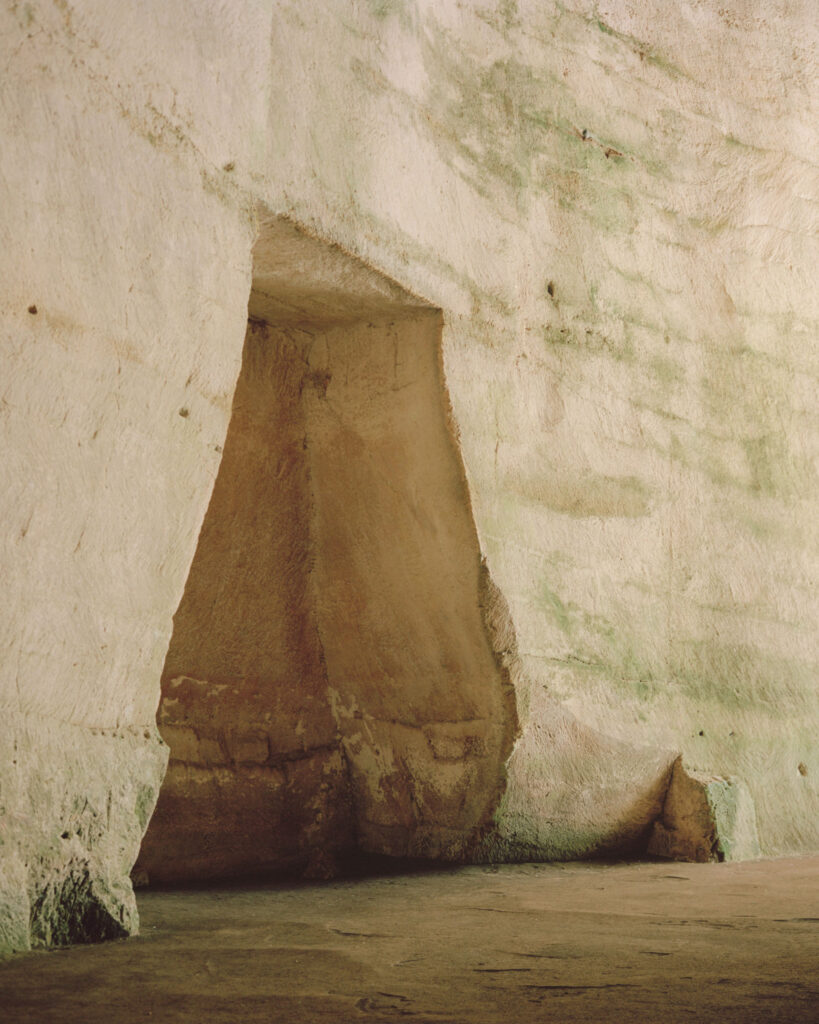
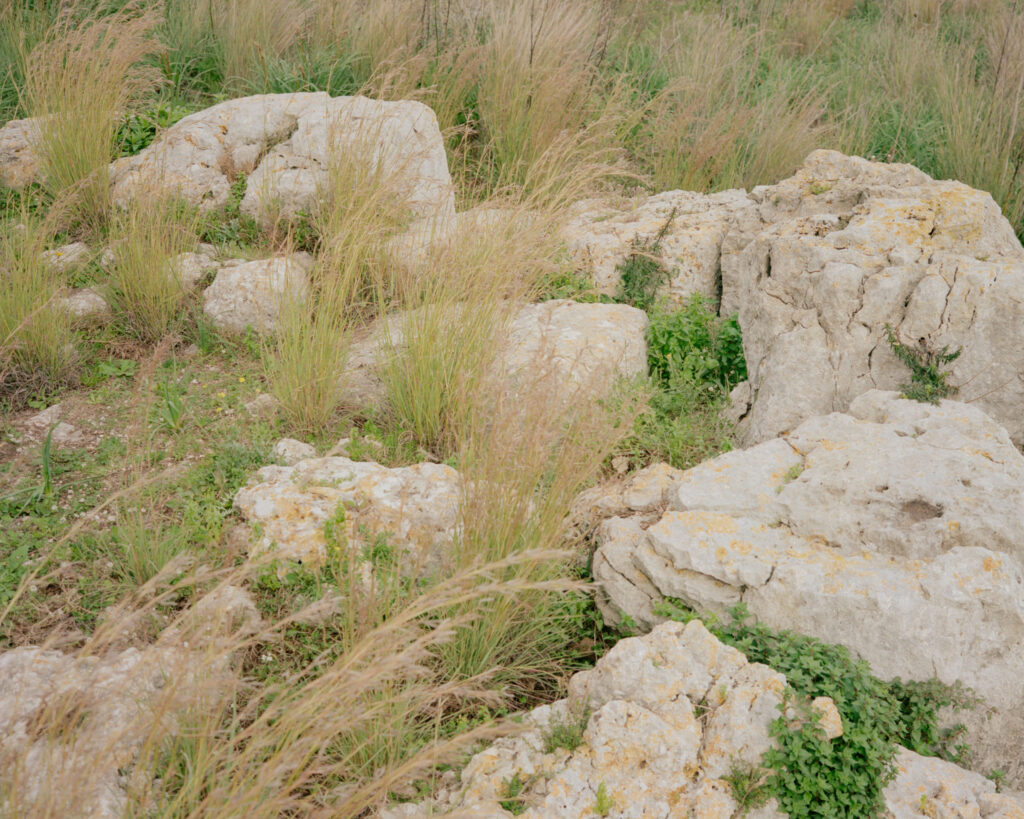
Located within the Syracuse–Pantalica UNESCO World Heritage Site, Asympta is conceived as a speculative micro-architecture that shifts attention away from the necropolis and toward the unknown spatial culture of prehistoric life. Rather than reconstructing history, the project proposes an architectural fiction rooted in the conditions of the site itself. Topography, material availability, and environmental presence become the basis for imagining how forms of dwelling and cosmology could emerge from the landscape.
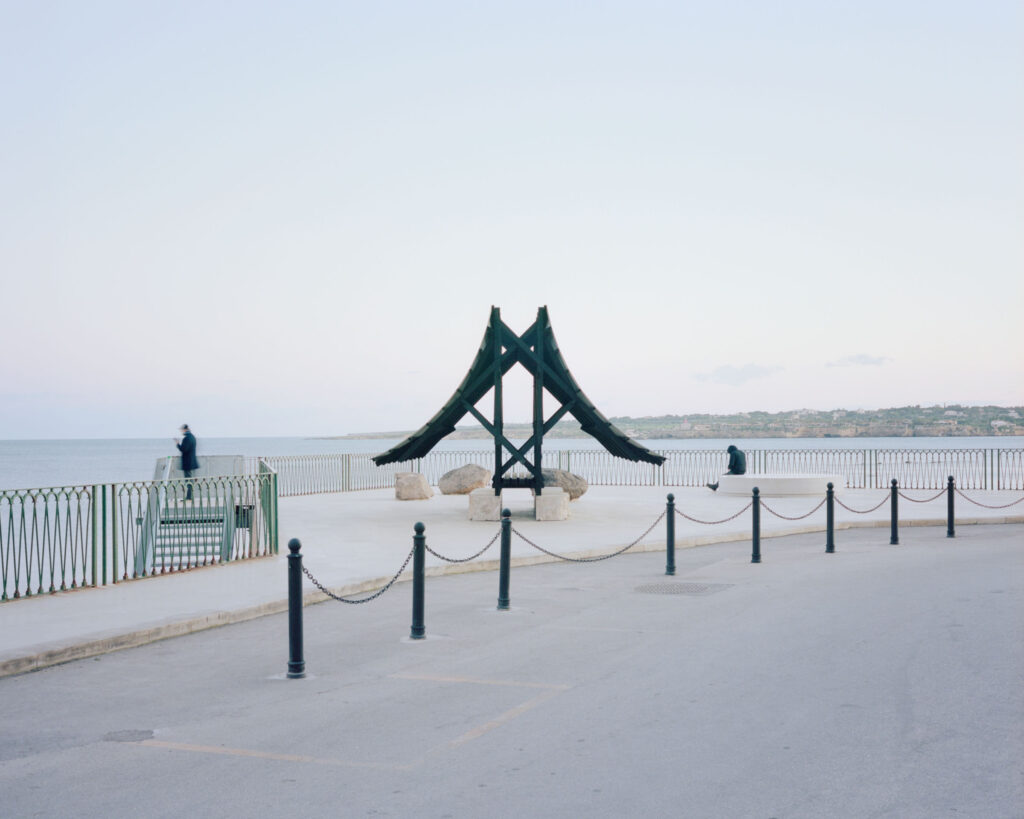
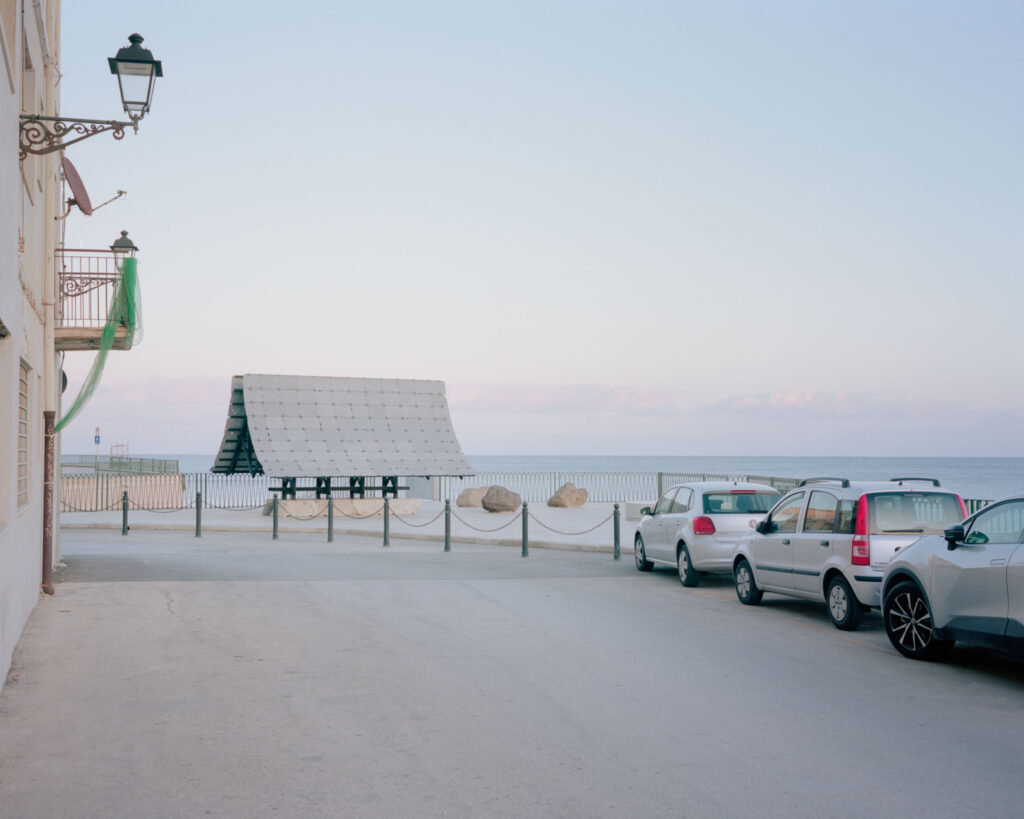
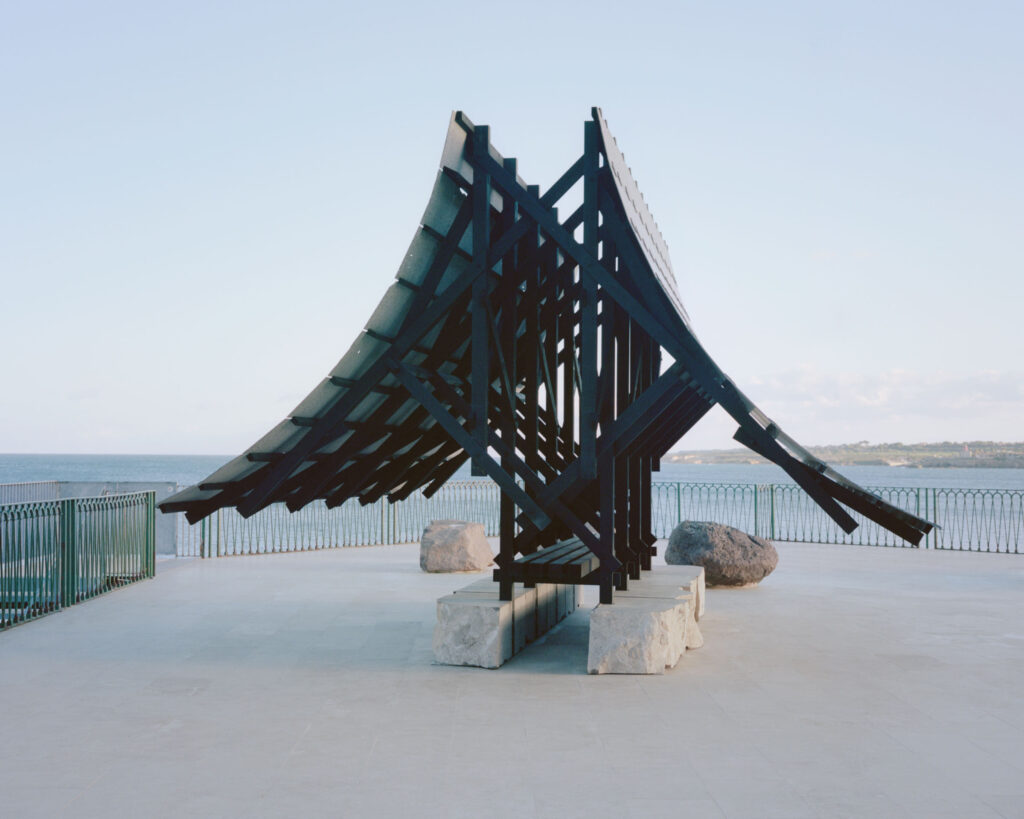
As a temporary installation, the structure draws on the provisional character of early domestic construction while bringing together vernacular references and contemporary building techniques. Its intention is not archaeological accuracy, but the production of alternative narratives that remain open, situated, and materially grounded.
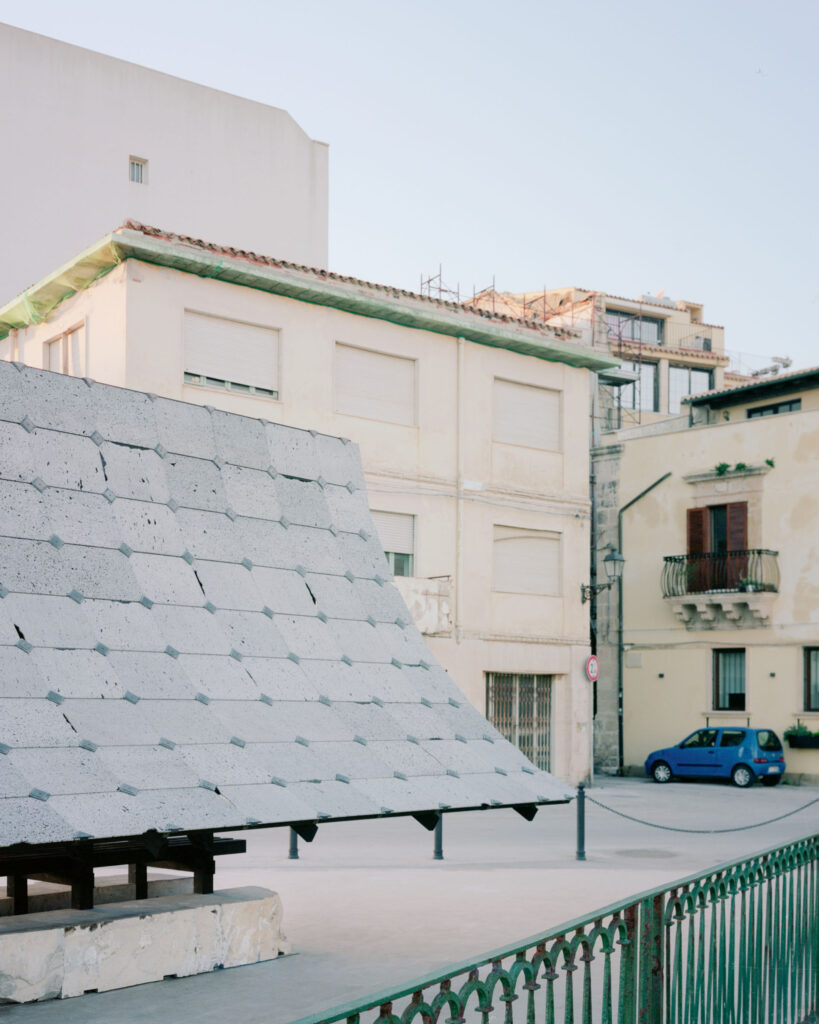
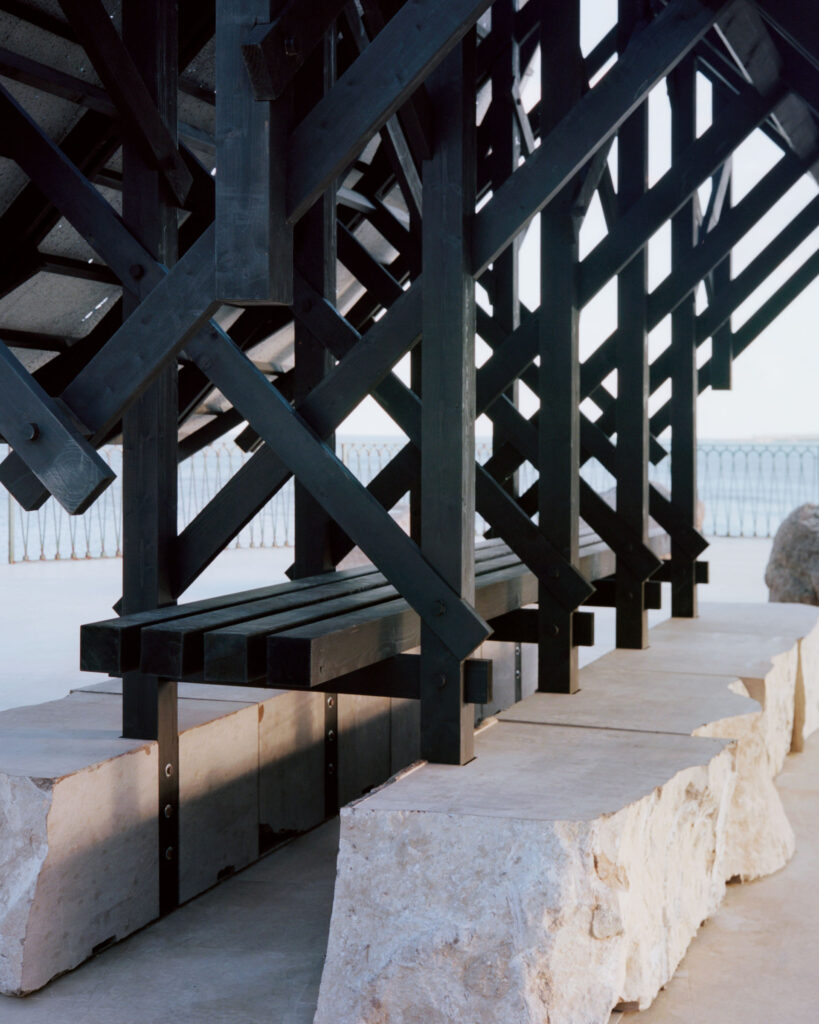
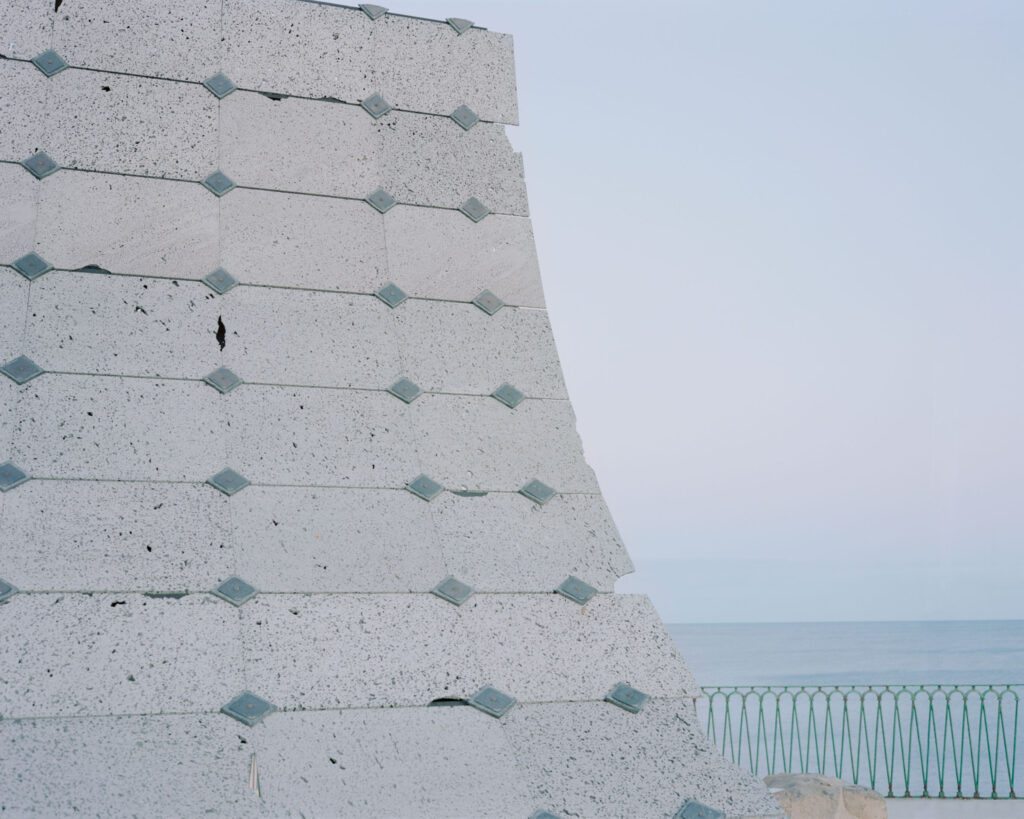
Built from lava stone sourced near Mount Etna, fire-treated local wood, Pietra Pece limestone, bronze, and sheep’s wool felt, the installation creates a shaded setting for gathering and contemplation. The double asymptotic geometry recalls both the volcanic cone that marks eastern Sicily and the carved profiles of the nearby latomie, historical sites of stone extraction. In doing so, the project resists the idealized image of Laugier’s Primitive Hut and instead frames architecture as a practice of closeness, adaptation, and reciprocal exchange with the landscape.